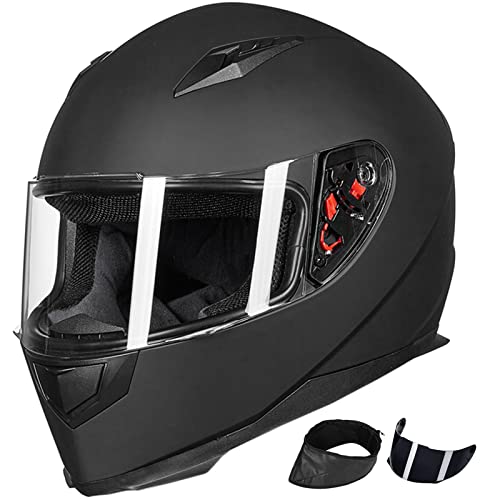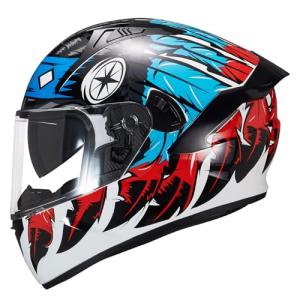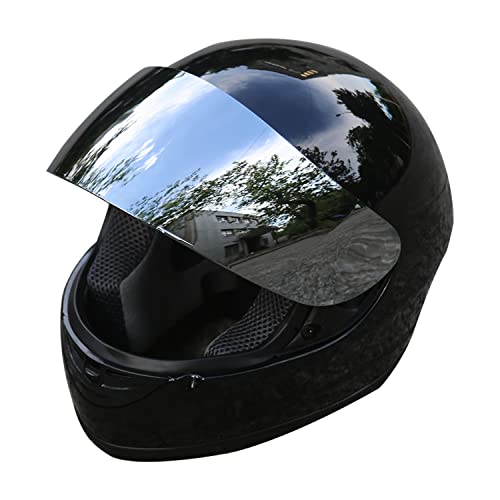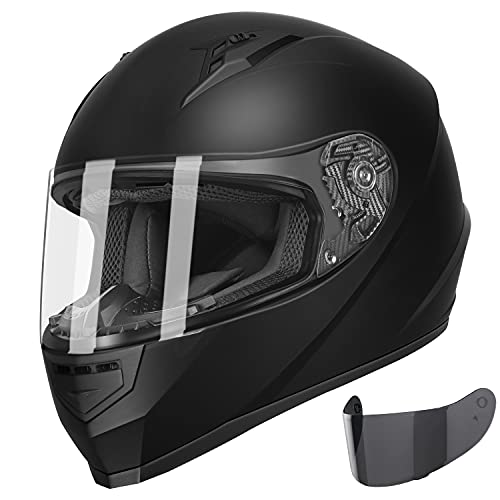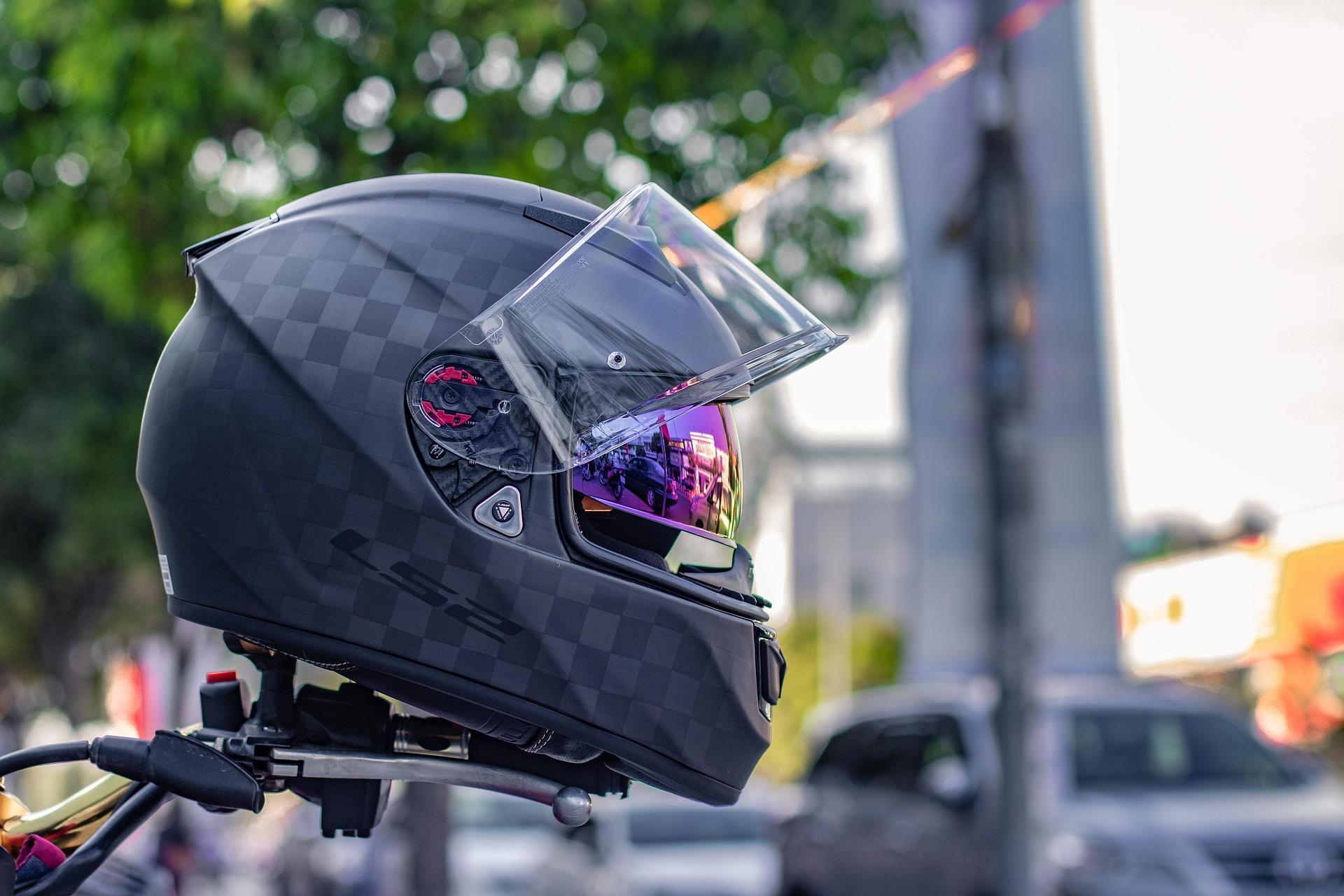
Safety ratings are a big deal when it comes to motorcycle helmets. These ratings give you a clear idea of how well a helmet can protect you in case of an accident. It’s not just about looking cool; it’s about making sure you’re safe while on the road. With all the different options out there, knowing how to read and understand Motorcycle Helmet Safety Ratings can make a huge difference.
So, why should you pay attention to these ratings? For starters, they let you know how the helmet performs during impact tests. Different organizations conduct these tests and issue ratings based on factors like crash safety, visor strength, and overall design. Basically, the higher the rating, the better the helmet protects you. You wouldn’t want to skimp on safety, right?
Think about it this way: a helmet that meets a higher safety standard might cost a bit more, but it’s worth it if it can help prevent serious injuries. Many riders overlook this, focusing only on style or price, but ignoring Motorcycle Helmet Safety Ratings can be risky. You wouldn’t gamble with your safety, so make sure you know what you’re getting.
Always look for helmets that have passed rigorous testing and earned a solid safety rating. This shows that they’ve been evaluated based on real-world scenarios. Helmets with certifications from organizations like DOT, Snell, or ECE are trusted options. When you see these ratings, you can feel confident that you’re getting a helmet that offers the protection you need on the road.
Types of Helmet Safety Standards Explained
When it comes to choosing a motorcycle helmet, understanding the safety standards can feel overwhelming. But knowing the basics can really help you make an informed decision. Motorcycle Helmet Safety Ratings give you a clear idea of how well a helmet can protect you on the road.
There are a few main safety testing organizations you should know about. The DOT (Department of Transportation) sets the standard for helmets sold in the U.S. If you see a DOT sticker inside a helmet, it means it meets the minimum safety requirements. It’s a good sign, but check for other ratings too!
The Snell Memorial Foundation takes things up a notch. Their standards are more rigorous, focusing on high-impact testing. A Snell-rated helmet often provides superior protection for serious riders who want that extra layer of safety. If you plan on hitting the track or pushing your limits, this rating might be important for you.
Another key player is the ECE (Economic Commission for Europe). This rating is common in Europe and is recognized in many other countries. ECE testing covers a broader range of impacts and temperatures, making it a solid choice for international riders or those who travel abroad.
Don’t forget about the importance of how a helmet fits! A well-fitted helmet can really enhance the protection offered by these Motorcycle Helmet Safety Ratings. Always try before you buy and look for a helmet that feels snug but comfortable. That way, you’ll ride confidently knowing you have the safest gear on your side.
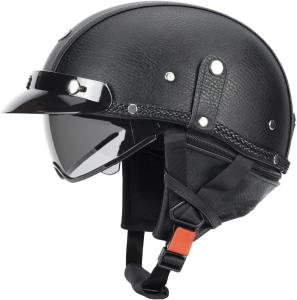
Half Helmet for Men and Women - Medium Size
Enjoy a comfortable ride with this stylish half helmet that's perfect for both men and women
Product information
$47.99
Product Review Score
4.73 out of 5 stars
159 reviewsProduct links
How to Choose the Right Helmet
Picking the right helmet isn’t just about style. You want something that keeps you safe and fits like a glove. When you’re checking out Motorcycle Helmet Safety Ratings, pay attention to a few key things.
First up, size and fit. A helmet should feel snug without squeezing your head. If it’s too loose, it won’t protect you well in a crash. Try on different sizes and shapes since your head isn’t one-size-fits-all. A good tip is to shake your head around a bit; if it moves too much, keep looking.
Next, check for safety certifications. Look for labels from organizations like DOT, ECE, or Snell. These seals mean the helmet has passed rigorous testing, which gives you peace of mind on the road. Not all helmets are created equal, so it’s worth doing your homework on the Motorcycle Helmet Safety Ratings.
Finally, think about your riding setup. Are you a cruiser, a sportbike rider, or more into dirt biking? Different styles of riding might call for specific helmet features—like ventilation for hot days or a face shield for longer rides. Don’t be afraid to choose a helmet that fits your style as much as it fits your head.
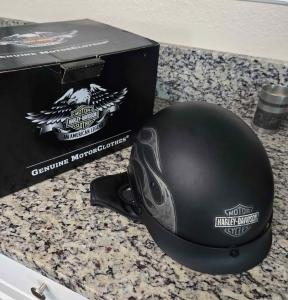
Harley Davidson Half Helmets for Motorcycles
Ride in style and comfort with these lightweight half helmets designed for the ultimate freedom on the road
Product information
$55.00
Product Review Score
4.29 out of 5 stars
66 reviewsProduct links
Tips for Helmet Care and Maintenance
Keeping your helmet in top shape is crucial for your safety on the road. Regular care and maintenance make a big difference in how well it protects you. Plus, a well-maintained helmet just feels better to wear! Here are some simple tips to help you care for your helmet.
First, always clean your helmet after each ride. Use a gentle soap and water solution for the exterior and a soft cloth to wipe it down. Don’t forget the visor! A clear visor is essential for good visibility. If your helmet has any removable pads, take them out and wash them separately according to the manufacturer's instructions.
Make sure to check for any signs of damage regularly. Look for cracks, dents, or worn areas. If you notice anything unusual, it might be time to replace your helmet. Remember, Motorcycle Helmet Safety Ratings can only protect you if the helmet is in good condition!
Be mindful of how you store your helmet. Keep it away from direct sunlight and extreme temperatures, which can weaken the materials over time. A helmet bag is an excellent investment to protect it from dust and scratches.
Lastly, know when it’s time for a new helmet. Most helmets have a lifespan of about five to seven years. Even if it looks good on the outside, the protective materials may degrade over time. Staying updated with the latest Motorcycle Helmet Safety Ratings will help you choose a new helmet that offers the best protection.