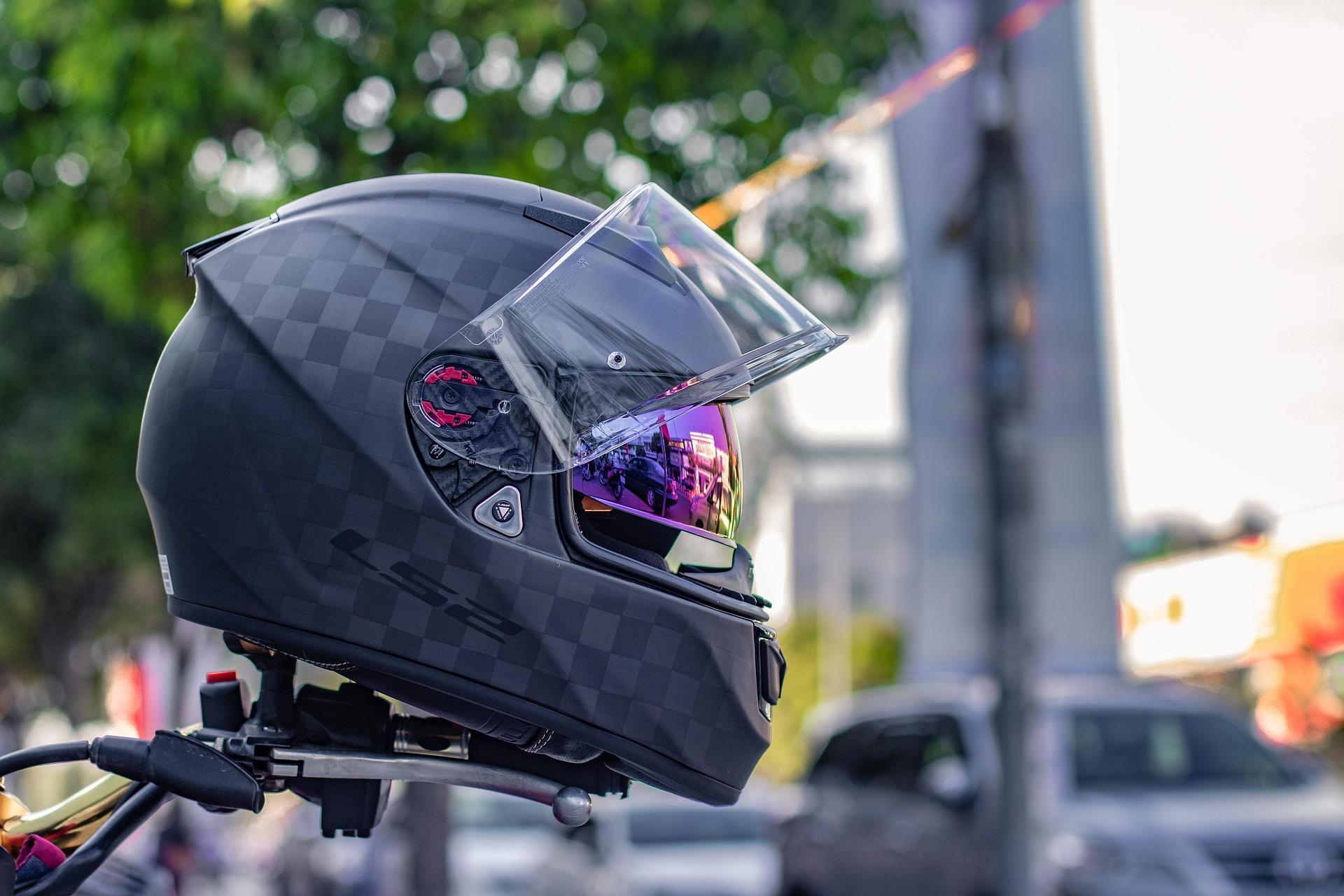
When you're out riding, staying safe is the top priority, and that’s where motorcycle helmet safety ratings come into play. These ratings help you figure out which helmets actually do their job. You wouldn’t want to ride in something that looks cool but doesn’t protect your head, right?
Most helmets go through rigorous testing to earn their safety certifications. Look for labels like DOT, SNELL, or ECE 22.05. Each of these has different tests to see how well a helmet protects against impacts and other risks. When a helmet passes these tests, it means it’s more likely to keep you safe in case of a crash.
Understanding motorcycle helmet safety ratings can save you from making costly mistakes. You don’t just want a helmet that looks stylish; you want one that will hold up in an accident. A solid rating gives you confidence that the helmet is reliable and up to standards. It’s like having an insurance policy for your noggin.
Don’t forget that fit is just as important as those ratings. A helmet that fits poorly—even if it has a high safety rating—won't protect you as well. So, when you shop, check on safety ratings, but also try them on. A comfortable, well-rated helmet is a must for any rider looking to stay safe on the road.
How Ratings Are Determined and Tested
When it comes to picking the right helmet, understanding how Motorcycle Helmet Safety Ratings are determined can help you make an informed choice. These ratings tell you a lot about how well a helmet can protect your noggin in case of an accident. But how do they figure all that out?
Helmet testing usually involves a few key things. First, they drop the helmet from a specific height onto a hard surface to see how well it holds up. They check for any cracks or serious damage. Ratings also look at how much impact the helmet absorbs, which can make a big difference in an accident. The lower the impact transferred to your head, the better!
Different organizations handle the testing, so you’ll come across various safety ratings. Some familiar names include DOT (Department of Transportation), Snell, and ECE (Economic Commission for Europe). Each has its own set of standards and testing methods, which helps ensure you’re getting a solid product when you look at Motorcycle Helmet Safety Ratings.
It’s worth mentioning that just because a helmet has a high rating doesn’t necessarily mean it’s the right one for you. Fit, comfort, and style also matter. A helmet that doesn’t fit well or is uncomfortable to wear will likely get tossed aside. So, always try it on and find one that feels great while still giving you those stellar safety ratings.
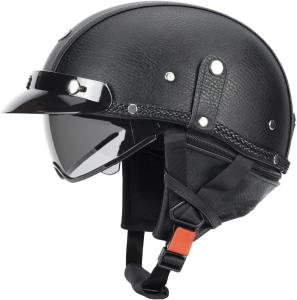
Half Helmet for Men and Women - Medium Size
Enjoy a comfortable ride with this stylish half helmet that's perfect for both men and women
Product information
$47.99
Product Review Score
4.73 out of 5 stars
159 reviewsProduct links
Different Types of Helmet Ratings Explained
When it comes to Motorcycle Helmet Safety Ratings, not all helmets are created equal. You might have seen various ratings on helmets while shopping, and understanding what they mean can help you make a smart choice. Let's break down the most common ratings you’ll come across.
The DOT (Department of Transportation) test is a standard in the US. Helmets with a DOT rating have undergone rigorous testing to ensure they meet safety requirements. If a helmet proudly wears this label, it means it’s been designed to protect your noggin in case of an accident. Always look for this sticker when you're shopping.
Then there’s the Snell rating. This one takes things up a notch. Helmets with a Snell rating have gone through more extensive testing than DOT. So, if you’re serious about safety, you might want to lean toward helmets with this rating. It shows they’ve been tested for high-impact scenarios, offering an extra layer of protection.
Another label to keep an eye out for is ECE (Economic Commission for Europe). This rating is common in Europe and signifies that a helmet meets specific safety standards. ECE helmets are tested on various criteria, making them reliable options if you plan to ride in Europe or just want to ensure high safety standards.
Remember, the best helmet isn’t just about style; it’s about safety. Understanding these Motorcycle Helmet Safety Ratings can help you choose a helmet that not only looks good but also keeps you safe on the road. Stay informed and ride smart!
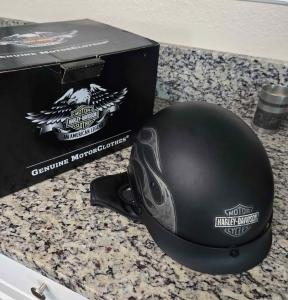
Harley Davidson Half Helmets for Motorcycles
Ride in style and comfort with these lightweight half helmets designed for the ultimate freedom on the road
Product information
$55.00
Product Review Score
4.29 out of 5 stars
66 reviewsProduct links
Choosing the Right Helmet for Your Needs
Choosing a helmet can feel overwhelming, but it doesn't have to be. Start by thinking about what type of riding you’ll be doing. Are you a casual cruiser or do you hit the track? Your riding style plays a big role in determining the right helmet for you. For casual riders, a half helmet might be enough. If you’re more into sport riding, look for a full-face helmet that offers better protection.
Next, check out the fit. A helmet that’s too loose won’t protect you properly, while one that’s too tight can be uncomfortable. Make sure to try on different sizes and brands since each can fit differently. You want a snug fit that doesn’t move when you shake your head. The goal is comfort without sacrificing safety.
Then, take a look at the helmet’s safety ratings. The Motorcycle Helmet Safety Ratings tell you how well a helmet stands up to impact and penetration tests. Look for helmets that meet or exceed the DOT (Department of Transportation) standards. Some even carry the Snell certification, which means they’ve been tested more rigorously. This information can guide your purchase and give you peace of mind.
Lastly, consider additional features like ventilation, weight, and visor options. A well-ventilated helmet keeps you cool on hot rides, while a lightweight option makes long trips more comfortable. Plus, a good visor protects against glare and bad weather. Keep all these factors in mind, and you’ll find a helmet that not only fits well but also meets those important Motorcycle Helmet Safety Ratings.