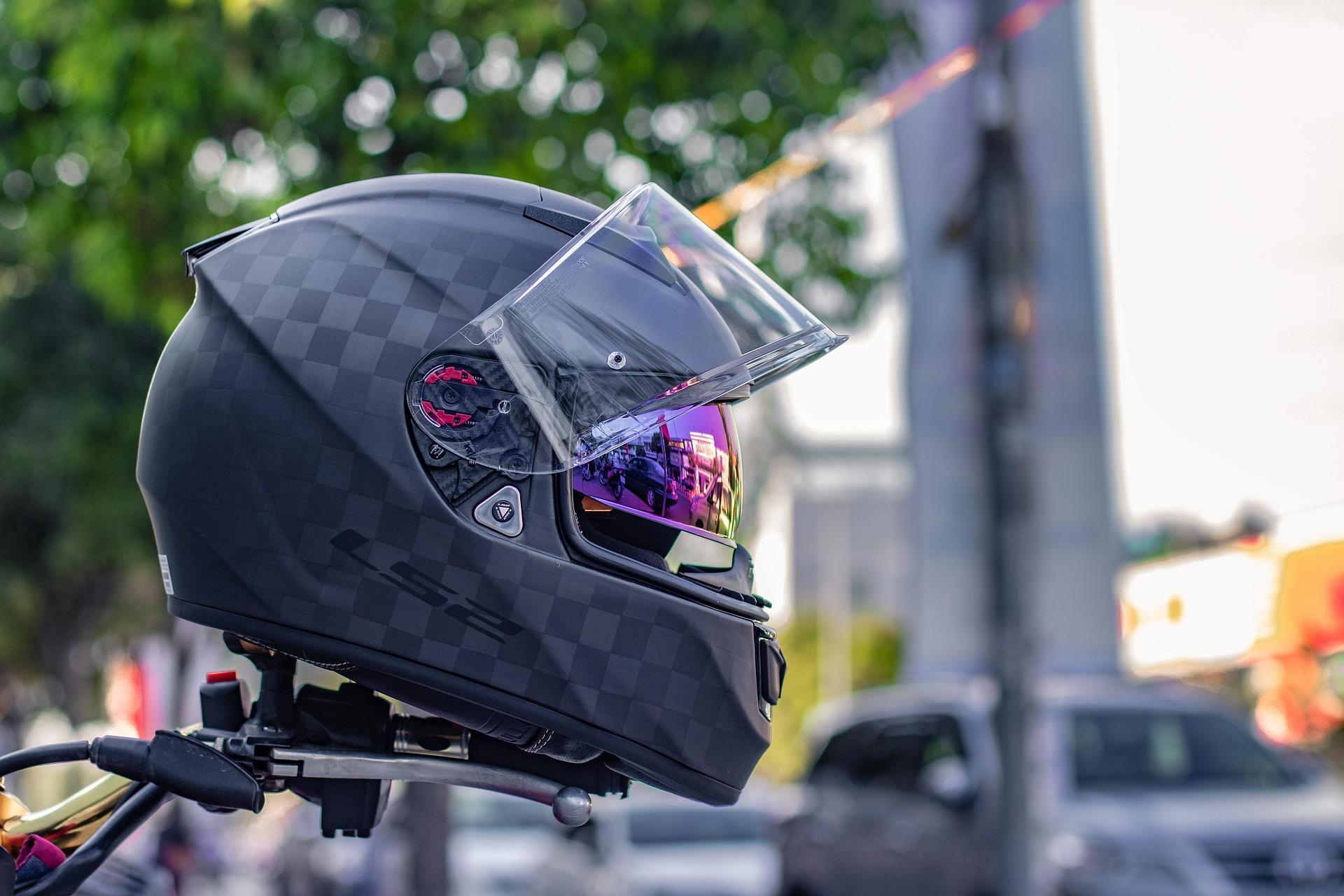
When you're out on the open road, feeling the wind in your hair can be exhilarating. But nothing beats the peace of mind that comes from knowing you're wearing a safe helmet. That's where Motorcycle Helmet Safety Ratings come into play. These ratings help you figure out which helmets give you the best protection.
Different organizations test helmets and give them ratings based on how well they perform in crash situations. Some of the most recognized testing bodies include the Snell Memorial Foundation and the Department of Transportation (DOT). A helmet that has passed rigorous safety tests will have a sticker showing its rating, so you can easily spot the good ones.
Aside from just looking cool, a helmet's rating tells you a lot about its safety features. A higher rating means better impact protection and durability during a crash. This provides an extra layer of security, especially on longer rides or when adventuring on highways. You really can’t put a price on your safety.
Don’t just grab the first helmet you see. Take a little time to check the Motorcycle Helmet Safety Ratings. It’s worth it! A well-rated helmet could save your life. So, when you’re shopping, keep an eye out for those stickers and research what they mean. Your head will thank you later!
Types of Helmet Safety Standards
When you're on the road, your safety comes first, and understanding the different Motorcycle Helmet Safety Ratings can help you make an informed choice. Not all helmets are created equal, and safety certifications ensure that the helmet you pick has been tested to provide the best protection possible.
There are a few main organizations that set safety standards for motorcycle helmets. The DOT (Department of Transportation) sets a minimum safety standard in the U.S. If a helmet has the DOT sticker, it means it meets the essential requirements. This is a good starting point, but not the only mark you should consider.
The Snell Memorial Foundation is another big name in helmet safety. They require even stricter testing than DOT. A Snell-certified helmet offers enhanced protection against impacts, which is vital if you're ever in an accident. If you see the Snell label, you know that helmet has gone through a more thorough review.
Lastly, some helmets also meet the ECE (Economic Commission for Europe) standards. These helmets are preferred in many countries outside the U.S. They have to pass various tests similar to Snell and DOT, so an ECE rating can give you peace of mind too. When you check out that new helmet, look for those safety labels to ensure you’re getting one with solid Motorcycle Helmet Safety Ratings.
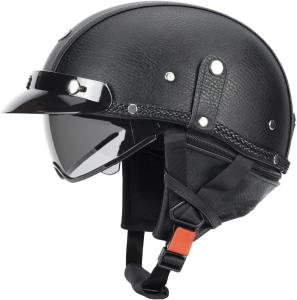
Half Helmet for Men and Women - Medium Size
Enjoy a comfortable ride with this stylish half helmet that's perfect for both men and women
Product information
$47.99
Product Review Score
4.73 out of 5 stars
159 reviewsProduct links
How Ratings Are Tested
When it comes to Motorcycle Helmet Safety Ratings, understanding how these ratings are tested can help you make an informed choice. Helmet manufacturers put their products through rigorous testing to ensure they meet safety standards. This process typically involves impact tests, where helmets are subjected to drops from various heights. The goal is to see how well they protect the head during a crash.
One of the primary organizations involved in these tests is the Snell Memorial Foundation. They focus on high-performance helmets with strict guidelines. Their tests simulate real-world conditions, checking how helmets absorb and distribute impact energy. If a helmet passes their tests, it gets a Snell rating. This can give you peace of mind knowing it’s been thoroughly evaluated.
The Department of Transportation (DOT) also has its own safety standards. Helmets that meet these regulations feature a DOT sticker inside. They focus on general safety aspects, like penetration resistance and weight. Helmets tested under DOT guidelines have to show they can handle several types of impacts without major failure.
Another important standard is the ECE rating, which stands for Economic Commission for Europe. ECE-rated helmets go through similar testing to Snell and DOT, but they test for more factors, such as field of vision and weight distribution. Choosing a helmet with an ECE rating can offer insights into its overall performance.
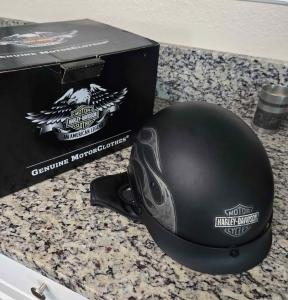
Harley Davidson Half Helmets for Motorcycles
Ride in style and comfort with these lightweight half helmets designed for the ultimate freedom on the road
Product information
$55.00
Product Review Score
4.29 out of 5 stars
66 reviewsProduct links
Choosing the Right Helmet for You
Picking the right helmet can feel overwhelming, but it doesn’t have to be. Start by understanding the different types of motorcycle helmet safety ratings out there. These ratings tell you how well a helmet can protect your head in case of an accident. Look for helmets with DOT, ECE, or Snell certification—these are the big players in safety standards.
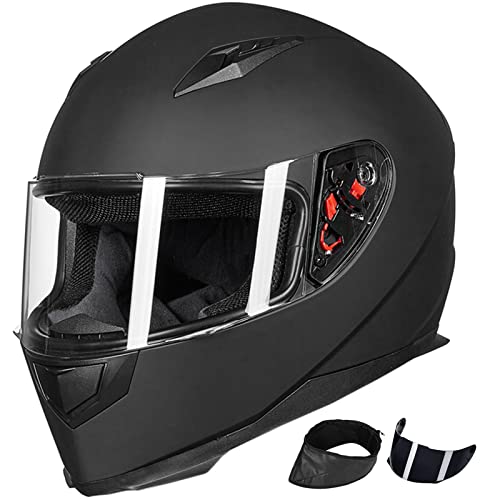
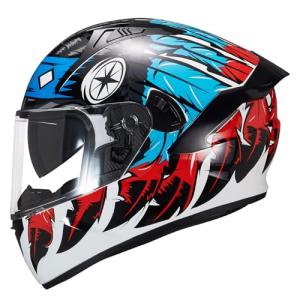
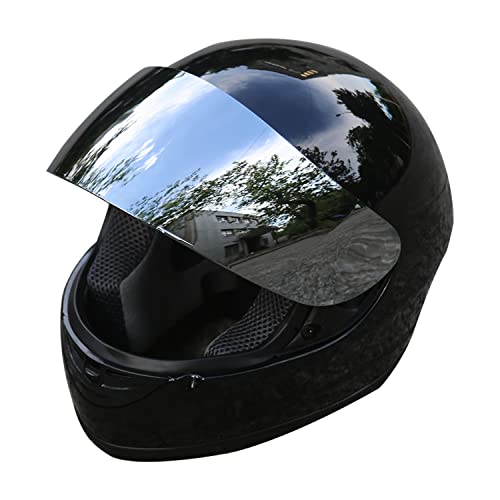
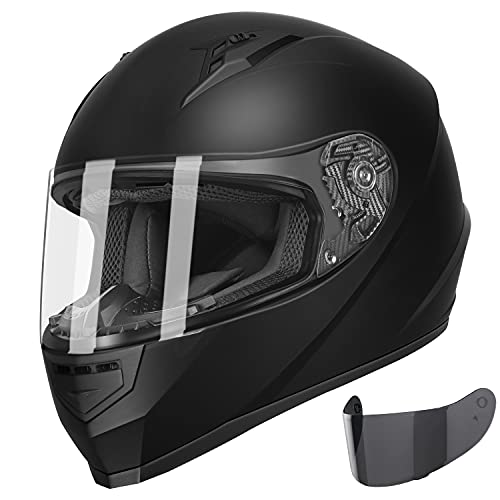
Think about the style you want. Full-face helmets offer maximum protection, while modular helmets give you flexibility. If you’re after something lighter and cooler, open-face and half helmets are great for casual rides. Just remember, even if a helmet looks cool, it has to meet those crucial Motorcycle Helmet Safety Ratings.
Comfort is just as important as safety. Try on a few different brands to see what fits your head shape best. The right fit will stop that annoying helmet shift while you ride. A snug but comfortable fit ensures that you’re protected without feeling like you’re in a vise.
Finally, don’t forget about the extras. Consider features like ventilation, removable liners, and visor options. It might seem small, but these details can really enhance your riding experience. When you combine comfort, fit, and those important Motorcycle Helmet Safety Ratings, you're set for a safe and enjoyable ride!