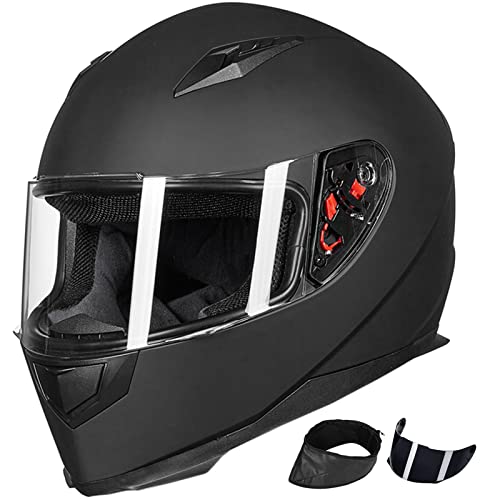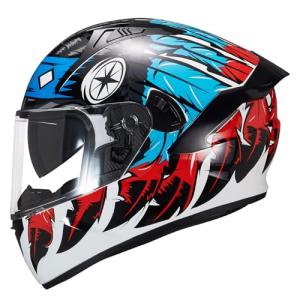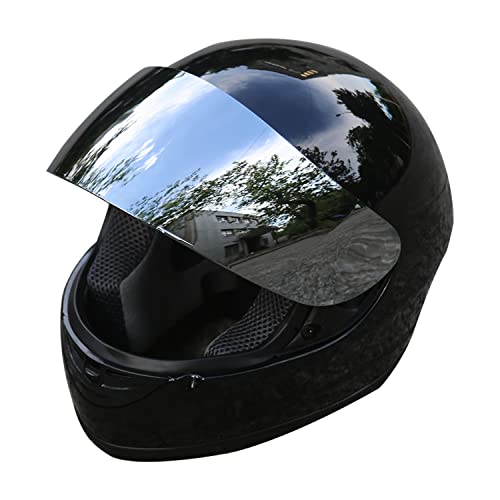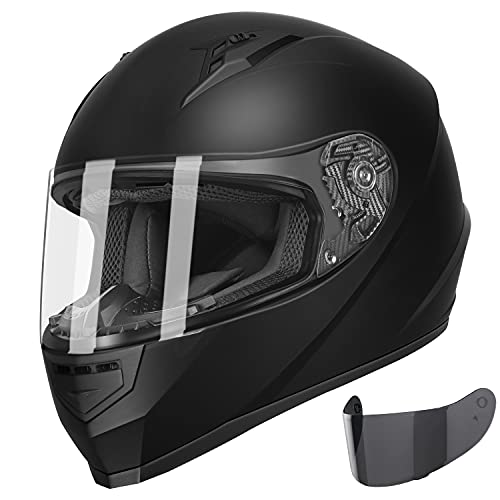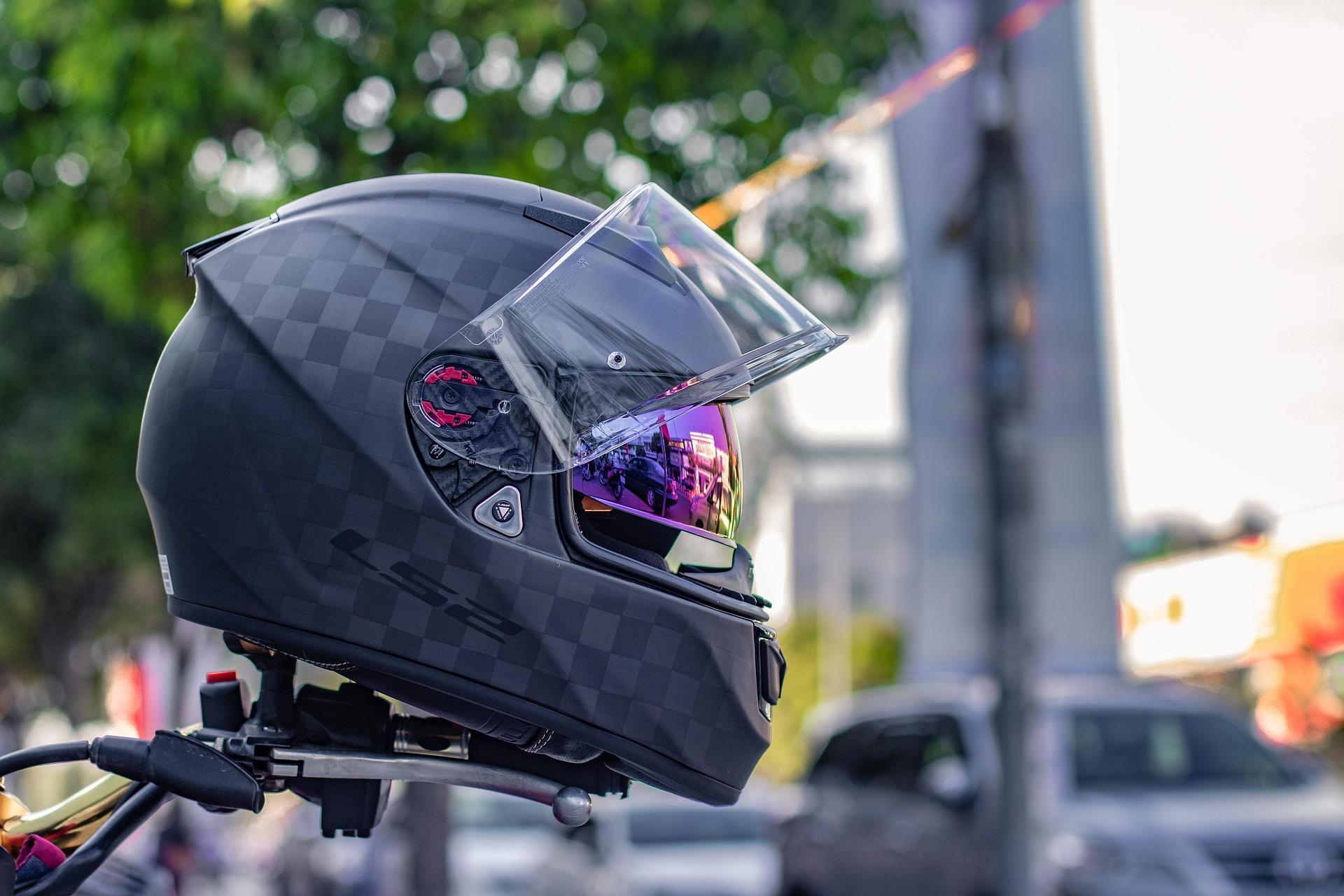
When you’re shopping for a motorcycle helmet, you might come across a lot of numbers and labels. That’s where Motorcycle Helmet Safety Ratings come in. These ratings are like a report card for helmets, showing how well they protect your noggin during a crash. They’re key to making a smart choice when picking out gear.
One of the most common safety ratings in the U.S. is the DOT (Department of Transportation) certification. A helmet with this sticker has passed certain tests for impact and penetration resistance. If you see that DOT seal, you know the helmet meets the minimum safety requirements. But remember, just because it’s DOT-approved doesn’t mean it’s the best on the market.
Another rating you might see is the Snell certification. This is more stringent than DOT and tests how the helmet performs in harder impacts. Helmets with a Snell rating often provide an extra layer of protection, making them a solid choice for serious riders. If you want to go the extra mile for safety, check for this rating.
Then there’s the ECE (Economic Commission for Europe) rating, which is popular in Europe and recognized in many other places. These helmets go through rigorous testing, too, and often feature a wider range of criteria. If you see this sticker, it shows that the helmet has been through some serious checks.
Ultimately, Motorcycle Helmet Safety Ratings give you peace of mind. They help you understand the level of protection a helmet can offer you on the road. Look for those ratings, and make a choice that keeps your safety front and center!
How Helmets Are Tested for Safety
When it comes to keeping your head safe on a motorcycle, testing helmets for safety is super important. You want to know that the helmet you choose has gone through the wringer and meets some solid standards. So, how do they test these helmets anyway?
First off, most helmets undergo impact testing. This involves dropping them from a specific height onto a hard surface to see how well they hold up. They measure how much force is transmitted to the helmet’s interior. The lower the impact force, the better the helmet works to protect your head. This part is crucial because it gives you a peek into how well the helmet can handle a real-world crash.
Then there’s the penetration test. This checks if a sharp object can punch through the helmet. They use a spike or a metal object and drop it from a certain height onto the helmet. If the helmet stands strong and doesn’t let the object through, it scores high on safety. That’s peace of mind for any rider!
Lastly, comfort and visibility tests also play a role in Motorcycle Helmet Safety Ratings. A helmet can be super safe, but if it’s uncomfortable or limits your vision, it won’t be much use in the long run. They check the fit and make sure you’ve got a good range of view, which helps you stay aware of your surroundings while riding.
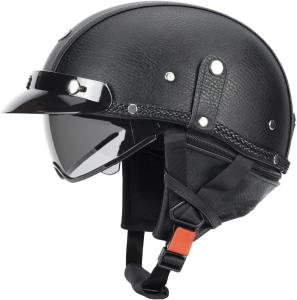
Half Helmet for Men and Women - Medium Size
Enjoy a comfortable ride with this stylish half helmet that's perfect for both men and women
Product information
$47.99
Product Review Score
4.73 out of 5 stars
159 reviewsProduct links
Understanding Different Safety Rating Levels
When it comes to choosing a motorcycle helmet, understanding the different safety rating levels is super important. You want to make sure you're getting the best protection possible while you're riding. Safety ratings help you determine how well a helmet can protect you in the event of an accident. Let's break it down.
The most common safety standards you'll see are DOT, ECE, and Snell. The DOT (Department of Transportation) rating means the helmet meets the minimum safety standards set by the U.S. government. ECE (Economic Commission for Europe) is a bit stricter and is widely recognized in countries outside the U.S. The Snell rating is even tougher, designed for racers and serious riders who need extra protection. It’s a good idea to look for a helmet that has at least one of these certifications.
Each of these ratings has specific tests that helmets must pass, which include impact resistance, penetration, and retention tests. A helmet with a higher safety rating goes through more rigorous testing, meaning it probably has better protection for your noggin. If you're planning on doing any serious riding, it’s wise to invest in a helmet that meets at least one of these standards.
Don’t just rely on stickers and numbers, though! Check reviews and testimonials from other riders. Real-life experiences can give you insights that ratings alone can't provide. When you take the time to understand Motorcycle Helmet Safety Ratings, you’ll find a helmet that keeps you safer on the road, helps make your ride enjoyable, and fits your style.
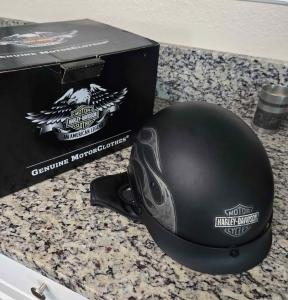
Harley Davidson Half Helmets for Motorcycles
Ride in style and comfort with these lightweight half helmets designed for the ultimate freedom on the road
Product information
$55.00
Product Review Score
4.29 out of 5 stars
66 reviewsProduct links
Choosing the Right Helmet for You
Finding the right helmet isn't just about style; it’s crucial for safety. When diving into Motorcycle Helmet Safety Ratings, the options can be a bit overwhelming. You want something that not only looks good but also meets the safety standards that protect you on the road.
Start by checking out the different safety certifications. Look for DOT, ECE, or Snell ratings. These labels aren't just for show. They give you peace of mind knowing that your helmet has gone through rigorous testing. If it doesn't have one of these ratings, it's best to keep looking.
Next, consider your riding style. If you ride daily or go on longer trips, comfort is key. A full-face helmet offers the best protection and shields you from wind and debris, while a modular helmet gives you flexibility. If you're more of a casual rider, a half helmet might do the trick, but remember, you trade some safety for that open-air feel.
Size matters too! Make sure you try on the helmet. It should fit snugly without being uncomfortable. A helmet that’s too loose won’t protect you effectively. Take some time to adjust the straps and try moving your head around to make sure it doesn’t shift. Comfort and fit directly affect the Motorcycle Helmet Safety Ratings, so don’t skip this step.
Lastly, think about ventilation and weight. A lightweight helmet makes long rides feel easier, and good ventilation keeps you cool. Several brands focus on these aspects, so check reviews before making your choice. The right helmet combines style, comfort, and top-notch safety features, all of which contribute to those all-important Motorcycle Helmet Safety Ratings.