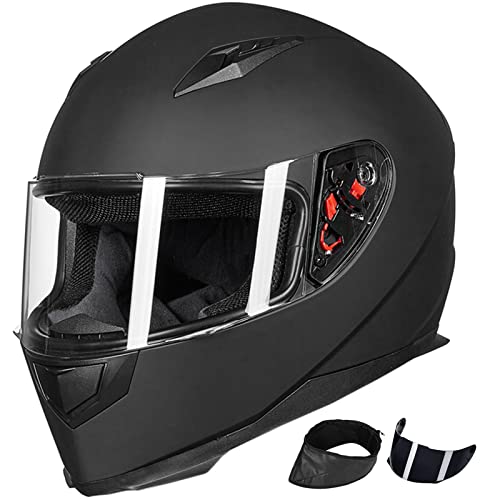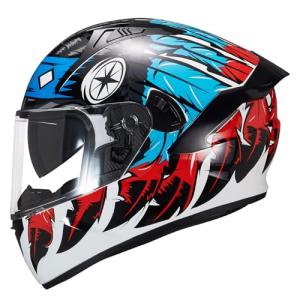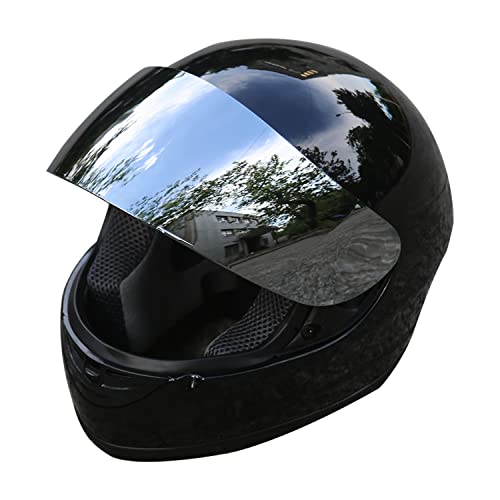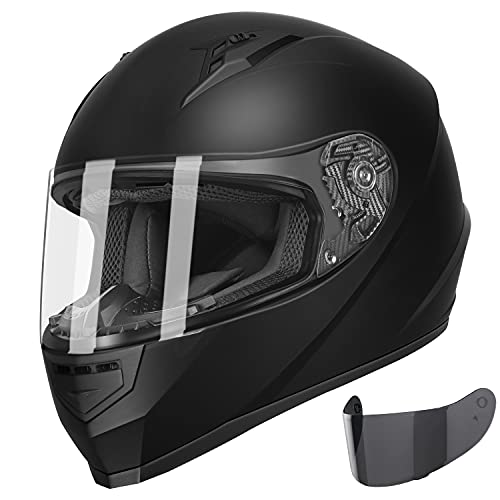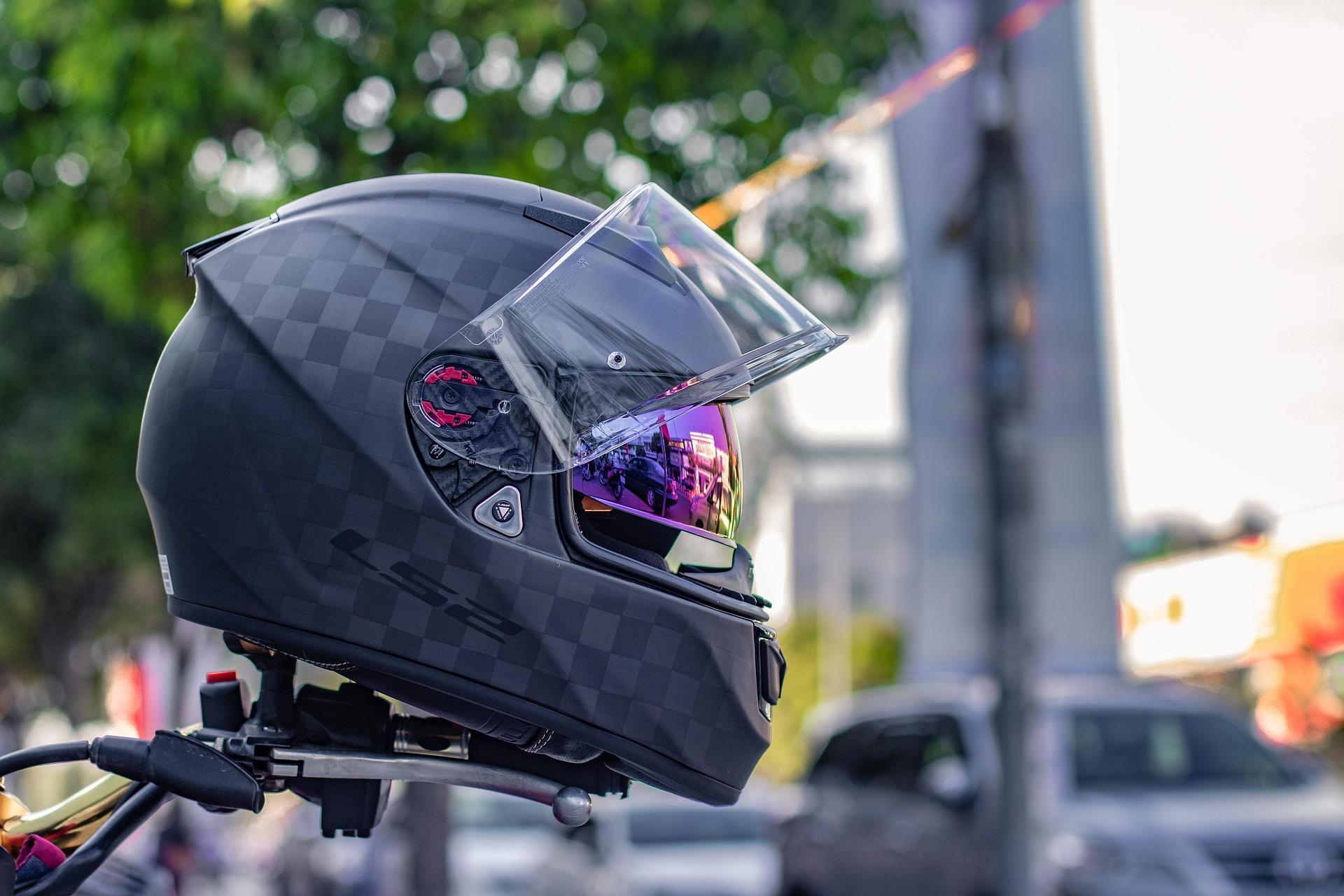
When it comes to riding, your safety should always be the top priority. That's where Motorcycle Helmet Safety Ratings come into play. These ratings tell you how well a helmet performs in crash tests. They help you pick the right gear that can genuinely protect you on the road.
Most helmets come with safety certifications like DOT, ECE, or Snell. Each of these organizations has different testing methods, so understanding what they mean can help you make informed decisions. A DOT rating means it has passed the minimum safety standards set by the Department of Transportation, while ECE is an international standard that often requires more rigorous tests. Snell goes even further and is known for its strict standards. If a helmet has any of these ratings, you can bet it offers a solid level of protection.
It's not just about looking cool; it’s about safety and performance. A well-rated helmet can absorb impact and reduce the risk of head injury in an accident. You want something that fits well, feels comfortable, and keeps you secure. The right Motorcycle Helmet Safety Ratings let you know that you’re investing in a helmet that’s been properly tested under real-life conditions.
When shopping for a helmet, pay attention to these ratings. They can distinguish between a helmet that might save your life and one that's just pretty. Don’t skip over those tags or labels – they’re there for a reason. Choose wisely, and ride with peace of mind knowing you’ve got the protection you need on your adventures.
Different Safety Standards Explained
When you're choosing a motorcycle helmet, safety is your biggest concern. Understanding different motorcycle helmet safety ratings can help you make a smart choice. Here’s a quick breakdown of the most common standards you'll come across.
The DOT (Department of Transportation) certification is a must for any helmet sold in the U.S. It means the helmet meets specific safety requirements, including impact resistance and penetration protection. If a helmet has this sticker, you know it’s passed some serious tests.
Another big name is the Snell Memorial Foundation. Their standard goes a step further, requiring even stricter testing. Helmets that carry this label are often designed for race conditions, meaning they can handle high-speed impacts better than standard helmets. If you're a serious rider who likes to hit the track, look for Snell-rated helmets.
Then, there’s the ECE (Economic Commission for Europe) standard. This one is popular in Europe and involves thorough testing for impact, penetration, and retention. An ECE-certified helmet is a great option if you're traveling internationally or want a helmet that meets high safety standards.
In short, knowing these motorcycle helmet safety ratings helps you find the right protection. Always check for these certifications before making a purchase to ensure you're keeping your head safe while enjoying the ride. A little knowledge goes a long way in your riding experience!
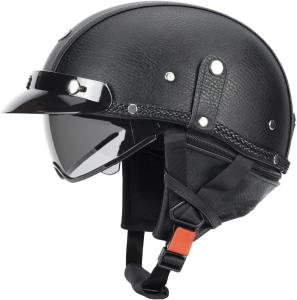
Half Helmet for Men and Women - Medium Size
Enjoy a comfortable ride with this stylish half helmet that's perfect for both men and women
Product information
$47.99
Product Review Score
4.73 out of 5 stars
159 reviewsProduct links
How to Choose the Right Rating
When you're on the hunt for a motorcycle helmet, understanding Motorcycle Helmet Safety Ratings is super important. You want something that keeps you safe while looking good, right? The ratings give you a clear idea about how a helmet performs in crash tests and safety standards.
First off, familiarize yourself with the main safety certifications. Look for DOT (Department of Transportation), ECE (Economic Commission for Europe), and Snell ratings. Each one has different testing methods, but they all aim to ensure helmets can withstand impacts. A helmet with one or more of these ratings is usually a safe bet.
Next, check the helmet's construction. Look for materials like polycarbonate or fiberglass. These materials absorb impact better than others. A helmet that’s lightweight but sturdy will save your neck in a crash and keep you comfortable on long rides.
Don't forget to consider fit. A well-fitting helmet won’t just feel good; it will work better. A proper fit helps in impact absorption and keeps the helmet snug during a ride. Make sure to try on a few different models and sizes. Sometimes, brands fit differently!
Finally, think about the features you want. Are you looking for a full-face helmet, open-face, or modular? Maybe you need something with a good ventilation system or a sun visor. Choose what works best for your riding style and comfort level. With the right Motorcycle Helmet Safety Ratings and features, you'll be ready to hit the road safely!
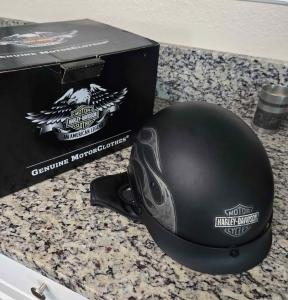
Harley Davidson Half Helmets for Motorcycles
Ride in style and comfort with these lightweight half helmets designed for the ultimate freedom on the road
Product information
$55.00
Product Review Score
4.29 out of 5 stars
66 reviewsProduct links
Tips for Safe Helmet Usage
Wearing a motorcycle helmet is a no-brainer, but making sure you use it right is just as important. Here are some friendly tips to keep in mind for safe helmet usage.
First off, always choose a helmet that fits snugly. If it's too loose, it won’t protect you when you really need it. Look for something that sits level on your head and doesn’t slide around when you shake your head. A helmet that meets the Motorcycle Helmet Safety Ratings standards gives you peace of mind knowing you’re getting a quality product.
Inspect your helmet regularly. Cracks, dents, or any other signs of wear can mean it’s time for a new one. Even if it looks good, remember that helmets have a lifespan. Most manufacturers recommend replacing your helmet every five years, or sooner if you’ve been in an accident.
When you wear your helmet, make sure the chin strap is securely fastened. A helmet is only as good as it stays on your head! It might feel a bit annoying at first, but it’s better than risking injury in an accident. Remember, a helmet with a solid build and solid Motorcycle Helmet Safety Ratings is worthless if it comes off in a crash.
Lastly, always store your helmet properly. Don’t hang it on your handlebars or leave it in direct sunlight. Heat can weaken the materials over time. Keep it in a cool, dry place, and use a helmet bag if you have one. Taking care of your helmet helps ensure it’s ready when you need it most!