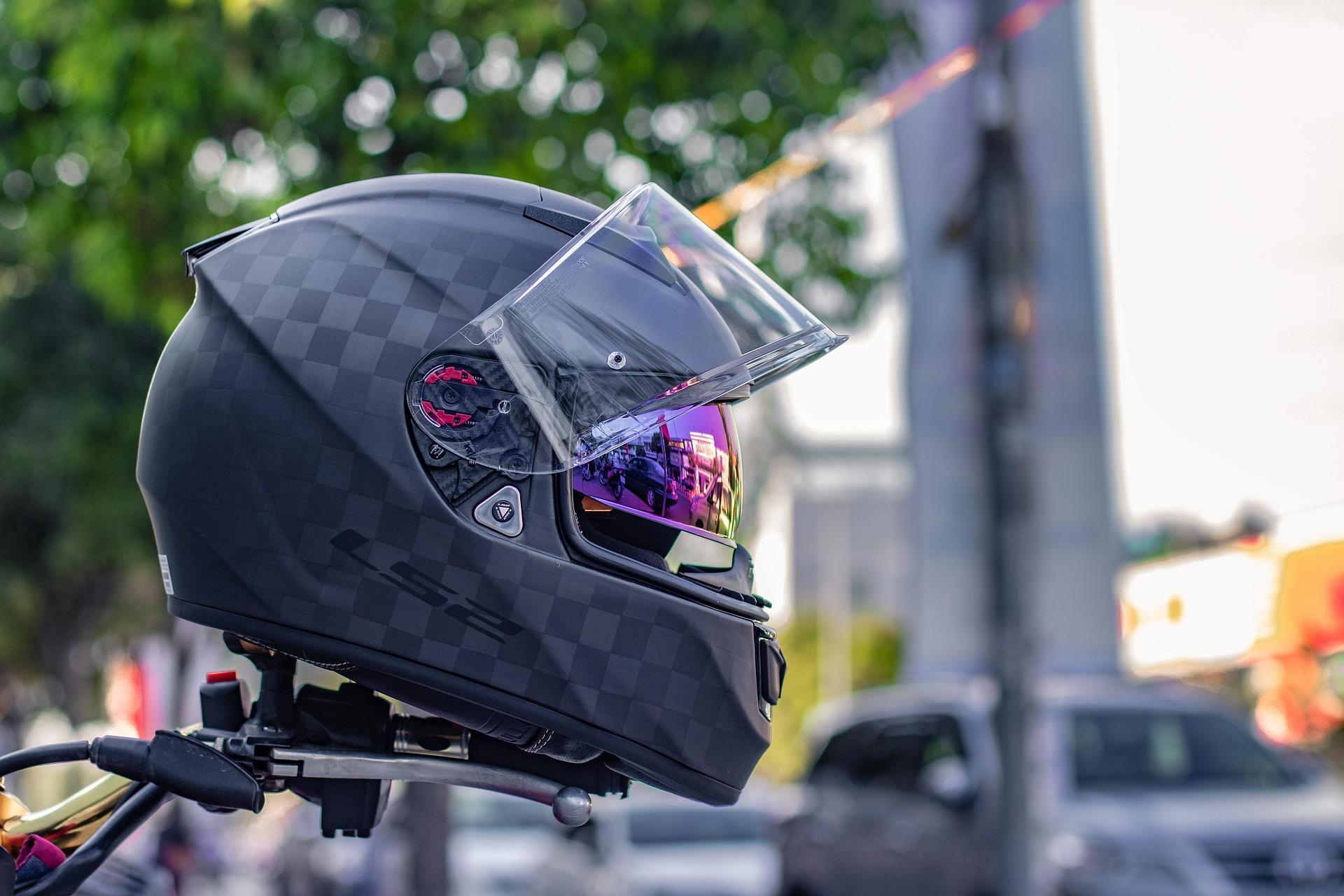
When it comes to riding a motorcycle, your safety should always come first. This is where Motorcycle Helmet Safety Ratings come into play. These ratings show how well a helmet performs in tests that mimic real-life crashes. Think of it as a report card for helmets, telling you which ones are tough enough to protect your noggin.
Different organizations test helmets based on various criteria, including impact absorption and penetration resistance. For example, you might hear about DOT, Snell, or ECE ratings. Each organization has its own standards, but the higher the rating, the better the protection. It’s not just about looking cool—it's about keeping your head safe when you hit the road.
Choosing a helmet with solid safety ratings can make a huge difference in the event of an accident. A well-rated helmet can minimize the risk of head injuries, and that peace of mind is priceless. You want a helmet that you can trust, especially if you're riding at higher speeds or in more challenging conditions.
Always take the time to check the Motorcycle Helmet Safety Ratings before you buy. Take it as a personal investment in your safety. Whether you’re a seasoned rider or just starting out, knowing the safety ratings helps you make smarter, more informed choices when it comes to your gear.
Different Types of Helmet Ratings
The two most recognized helmet safety standards in the U.S. are DOT (Department of Transportation) and Snell. A DOT helmet has passed basic safety tests set by the government, ensuring it meets minimum impact resistance. On the other hand, Snell ratings take things up a notch, with tougher tests for things like impact absorption and helmet retention. If you want added peace of mind, go for a Snell-rated helmet.
In Europe, you’ll come across the ECE (Economic Commission for Europe) rating. It’s quite similar to DOT, but it has its own set of rigorous tests. Helmets with an ECE mark are recognized in many countries, so if you plan on riding abroad, consider getting one with this rating.
Then there's the FIM standard. This one’s mainly for racers and people who really push their gear to the limit. FIM helmets go through extreme testing for both impact and durability, making them perfect for high-performance riding.
Always check for these Motorcycle Helmet Safety Ratings before making a purchase. Investing in a good helmet with the right rating can save your life. So, do your research and choose wisely—your head will thank you!
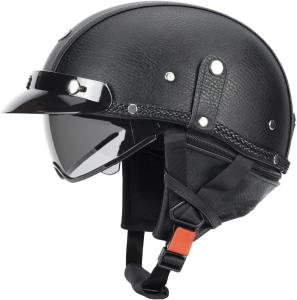
Half Helmet for Men and Women - Medium Size
Enjoy a comfortable ride with this stylish half helmet that's perfect for both men and women
Product information
$47.99
Product Review Score
4.73 out of 5 stars
159 reviewsProduct links
How to Choose the Right Rating
Choosing the right rating for your motorcycle helmet can feel overwhelming, but it doesn’t have to be! Understanding Motorcycle Helmet Safety Ratings is key to making a smart choice. When you're shopping for a helmet, you should look for three main safety standards: DOT, ECE, and Snell. Each has its own testing procedures and serves a different purpose.
First up is the DOT (Department of Transportation) rating. It’s a must-have in the U.S. and usually the baseline requirement. A DOT-approved helmet means it has passed certain impact and penetration tests. If a helmet doesn’t have this sticker, just put it back on the shelf.
Next, consider the ECE (Economic Commission for Europe) rating. This is popular in Europe. ECE-rated helmets go through some tough tests that include high-speed impacts and safety measures for visibility. If you plan on riding overseas or want that extra peace of mind, look for this rating too.
Lastly, we have the Snell rating. This one is known for being tough and is often preferred by serious riders. Snell standards don’t just pass a helmet for basic safety; they push it to the limit with rigorous tests. If you’re going for a high-performance helmet, a Snell rating should definitely be on your radar.
In short, check those stickers! Look for DOT, ECE, or Snell to find a helmet that meets your safety needs. Knowing about Motorcycle Helmet Safety Ratings will help you make an informed decision that keeps you protected on the road.
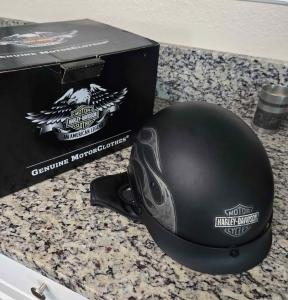
Harley Davidson Half Helmets for Motorcycles
Ride in style and comfort with these lightweight half helmets designed for the ultimate freedom on the road
Product information
$55.00
Product Review Score
4.29 out of 5 stars
66 reviewsProduct links
Testing Standards Explained
When you’re looking into Motorcycle Helmet Safety Ratings, it’s all about knowing how well a helmet protects you. Different organizations test helmets using specific standards to ensure they can handle impacts and other safety aspects. It’s like giving helmets a tough workout to see how they hold up in real life situations.
One of the main standards you’ll see is the DOT (Department of Transportation) rating. Helmets that meet DOT standards have passed a series of rigorous tests that check how well they absorb impact and do a solid job of protecting your noggin. If a helmet has this sticker, it means it’s legit and has undergone the necessary testing.
Next up, there’s the Snell rating, which is even stricter. This is an independent organization that provides an extra layer of safety testing. Snell helmets go through various impact tests, and they have to meet tougher benchmarks than DOT. So if you see a helmet with a Snell sticker, you know you’re getting a top-notch level of protection.
Then we have the ECE (Economic Commission for Europe) standard, which is widely recognized in Europe and some other places. Helmets with the ECE mark must pass several tests similar to the DOT and Snell but have their own unique criteria. It’s a reliable option if you’re looking for something that’s internationally recognized for safety.
In a nutshell, when it comes to Motorcycle Helmet Safety Ratings, knowing the different standards helps you make an informed decision. Always look for these ratings when you're helmet shopping, so you can ride safely and confidently! Remember, your safety gear is an investment in your ride and your well-being.