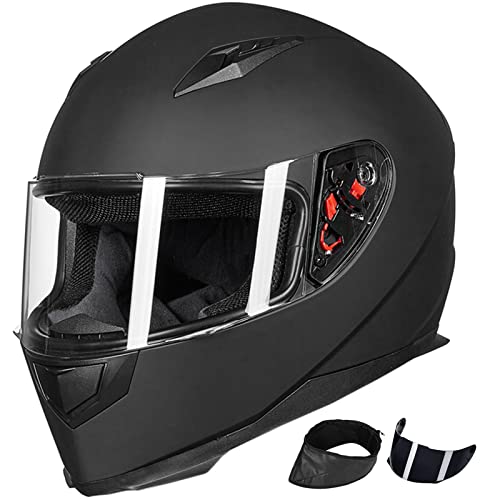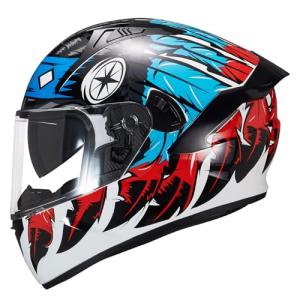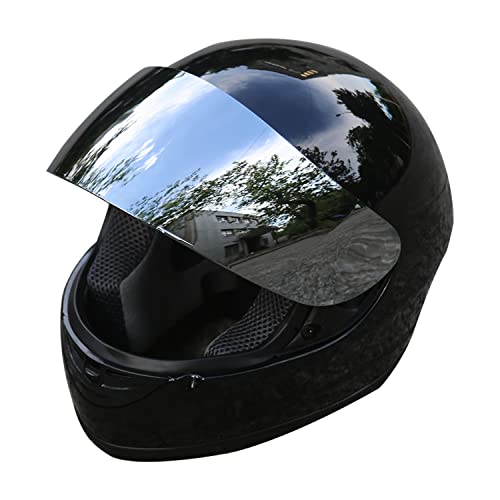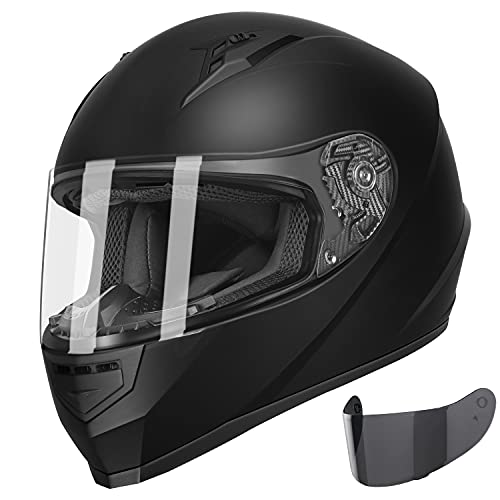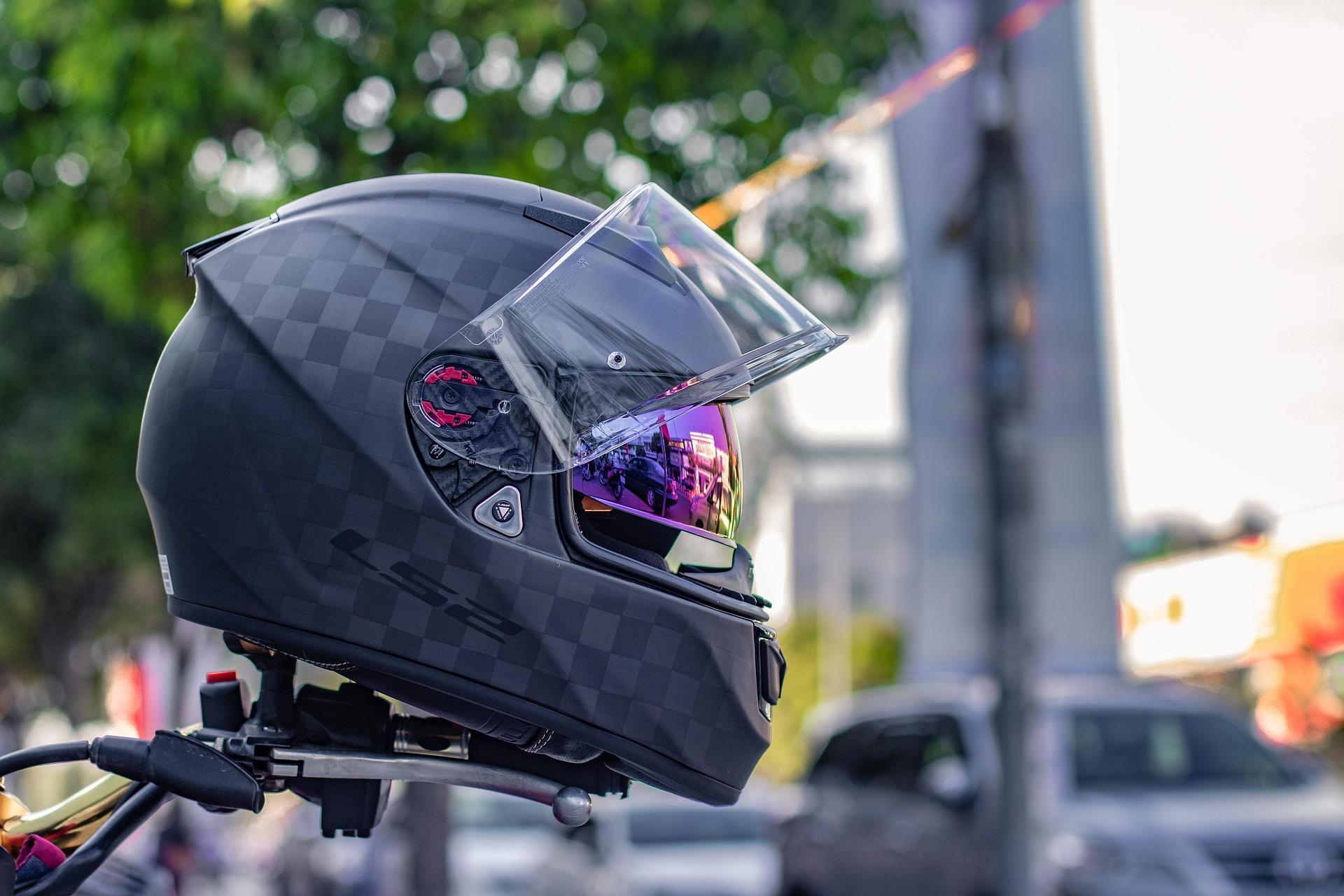
When buying a motorcycle helmet, understanding Motorcycle Helmet Safety Ratings is key. These ratings help you figure out how safe a helmet is and if it’ll protect you in case of an accident. Let’s break down what those ratings mean and why they matter.
Different organizations test helmets for safety, and they have their own rating systems. The most common ones are DOT (Department of Transportation) and Snell. DOT helmets meet minimum safety standards, which is a must for legal use on the road. Snell ratings tend to be tougher and mean the helmet has gone through more rigorous testing. If you see a Snell sticker, you know it’s built to take a hit.
Another important certification to look for is ECE (Economic Commission for Europe). It's widely accepted across many countries. If a helmet has an ECE label, it means it's reliable, especially for riders venturing outside the U.S. Don’t forget to look for these ratings when choosing your helmet; they can really make a difference in safety.
In addition to the certification, don’t overlook features like the helmet’s fit, comfort, and weight. A well-rated helmet is only good if you actually want to wear it. Make sure it fits snugly but comfortably, and you'll be more likely to wear it every time you hit the road. Always prioritize safety and choose a helmet that not only has great Motorcycle Helmet Safety Ratings but also feels good to wear.
How Safety Ratings are Tested
When you’re shopping for a helmet, you’ll come across various safety ratings that help you understand how protective a helmet really is. These Motorcycle Helmet Safety Ratings come from different testing organizations and each has its own method for evaluating helmets. Knowing how these tests work can really help you choose the right helmet for your ride.
The most common tests look at impact resistance, how well the helmet can absorb energy during a crash. For example, the Snell certification involves dropping a helmet from a certain height onto a hard surface. They check for cracks or any significant damage. The DOT (Department of Transportation) also has its own standards that helmets must meet to be street legal in the U.S. This includes tests for penetration resistance and retention system effectiveness.
Another player in the game is the ECE (Economic Commission for Europe), which conducts rigorous tests, including a dummy head impact test. This assesses how a helmet performs under various speed impacts. If a helmet passes, it gets a shiny ECE label, reassuring you that it’s safe for the road.
Don’t forget about the real-world performance factor. Some companies also run their helmets through tests that mimic conditions and scenarios you might encounter while riding. This practical approach can reveal how effective a helmet is in the twisty turns or sudden stops that come with biking.
Ultimately, understanding these Motorcycle Helmet Safety Ratings helps you make an informed choice. Always look for helmets that have passed these tests, and don’t hesitate to check out reviews for added peace of mind. Stay safe and ride smarter!
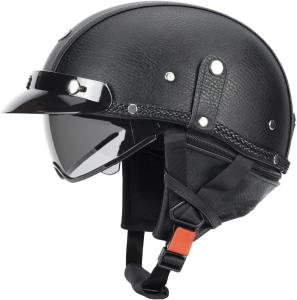
Half Helmet for Men and Women - Medium Size
Enjoy a comfortable ride with this stylish half helmet that's perfect for both men and women
Product information
$47.99
Product Review Score
4.73 out of 5 stars
159 reviewsProduct links
Why Safety Ratings Matter for Riders
When it comes to picking the right helmet, safety ratings are a big deal. You want to know that the helmet you put on your head actually protects you in case of an accident. Motorcycle Helmet Safety Ratings give you the info you need to choose wisely. They measure how well a helmet absorbs impact and withstands crashes, which is crucial for your safety out on the road.
These ratings often come from standard tests conducted by independent organizations. They check things like how well the helmet can take a hit and how secure the fit is. A helmet with a high rating means it’s been put through the wringer and came out on top. It’s like having a stamp of approval that tells you this helmet's got your back, literally.
Sure, you might see helmets that look cool and fit your style, but looks aren't everything. You want a helmet that has impressive Motorcycle Helmet Safety Ratings because at the end of the day, it's your safety that matters most. If you’re in an accident, that helmet needs to perform. Don’t settle for a pretty design if it can’t keep you safe.
When comparing helmets, always check those safety ratings. They can vary a lot from one brand to another. Take the time to research and find out which helmets have solid ratings. Investing in a helmet with great safety scores helps ensure you’ll have peace of mind while riding. Your safety should never be a compromise.
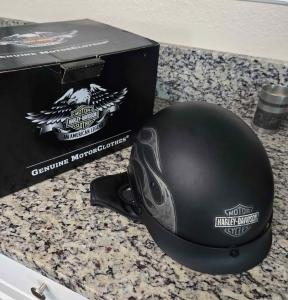
Harley Davidson Half Helmets for Motorcycles
Ride in style and comfort with these lightweight half helmets designed for the ultimate freedom on the road
Product information
$55.00
Product Review Score
4.29 out of 5 stars
66 reviewsProduct links
Choosing the Right Helmet for You
Picking the right helmet can feel overwhelming, but it doesn’t have to be. When you're in the market for a new ride, understanding Motorcycle Helmet Safety Ratings will help you make a smart choice. These ratings give you insight into how well a helmet protects your noggin, which is pretty important if you enjoy hitting the open road.
Start by figuring out what type of riding you do most. Are you a weekend cruiser, an adventurous off-roader, or a commuter zipping through traffic? Each style demands different features. For example, full-face helmets offer complete coverage and are great for speed demons, while open-face helmets provide more airflow for a relaxed ride.
Next, check for safety certifications. Look for stickers from organizations like DOT, Snell, or ECE. These seals mean that the helmet has passed certain safety tests. Remember, a high price tag doesn’t always equal better protection, so focus on those safety ratings more than brand names.
Also, fit is everything. A helmet should feel snug but not tight. When you try one on, shake your head a little; it should stay put without moving around. Comfort is key, especially if you’re planning to wear it for long rides. Don’t skip on trying out different sizes and shapes. Your head is unique, and finding that perfect fit makes all the difference.
Lastly, consider the extras! Things like ventilation, noise levels, and weight can impact your overall riding experience. A good helmet should feel like it’s part of you, not a heavyweight hanging on your head. Keep these factors in mind along with the Motorcycle Helmet Safety Ratings, and you’ll find the perfect helmet to keep you safe and stylish on your adventures.