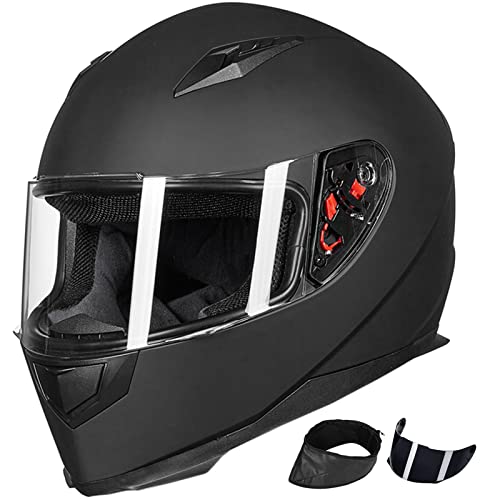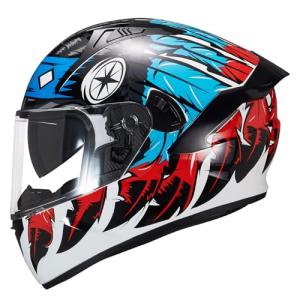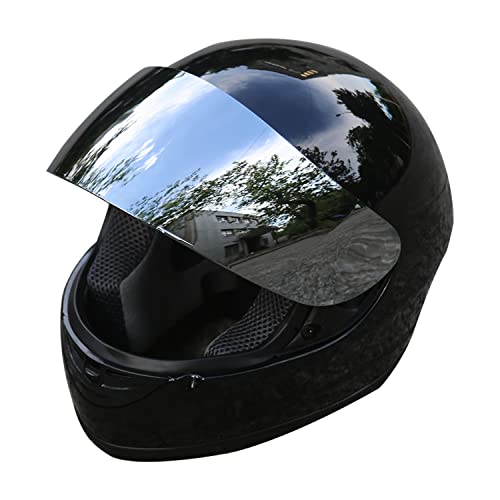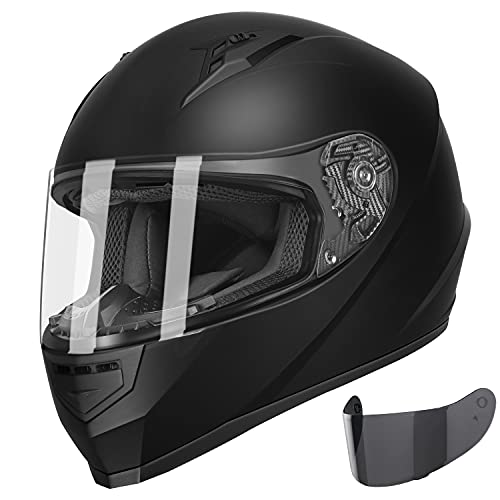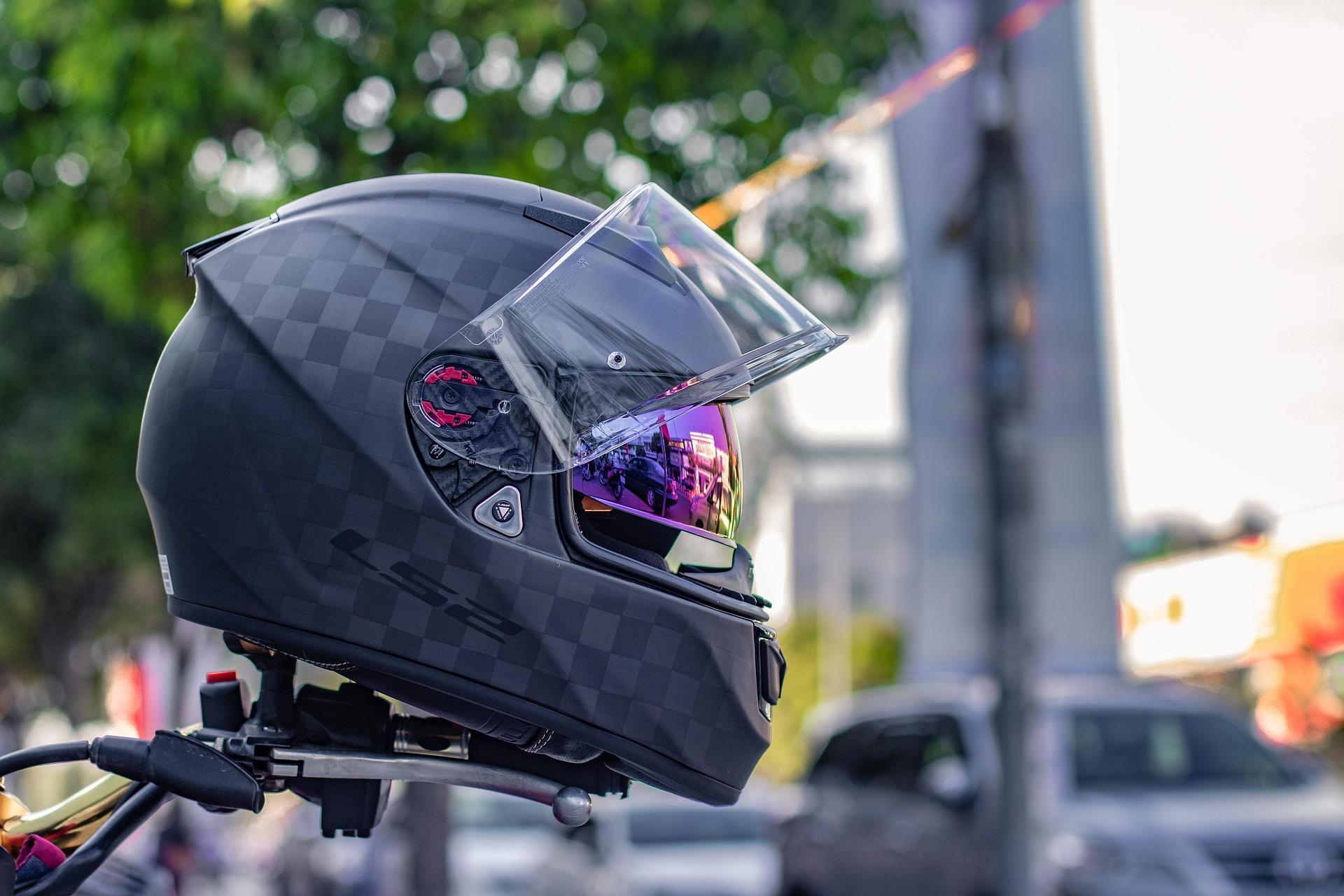
When it comes to hitting the road on your bike, safety should be your top priority. That’s where Motorcycle Helmet Safety Ratings come into play. These ratings help riders like you figure out which helmets offer the best protection in case of an accident. They’re not just numbers or letters; they represent testing and standards that could save your life.
There are a few different safety standards to pay attention to, like DOT, ECE, and Snell. Each one has specific tests and requirements. For example, DOT (Department of Transportation) is required for helmets sold in the U.S. It ensures helmets can withstand impacts and are generally safe. ECE (Economic Commission for Europe) goes a bit further, covering more extensive testing methods. Snell tops it off with rigorous tests that go beyond the basic safety measures. By checking these Motorcycle Helmet Safety Ratings, you can choose a helmet that's been put through the wringer.
Don’t just grab any helmet off the shelf; look for those safety ratings to guide your choice. A helmet that meets these standards indicates that it has passed important tests. It’s like a badge showing it can actually protect your noggin. Plus, many brands will even display their safety ratings right on the helmet, making it easier for you to choose wisely.
Keeping an eye on Motorcycle Helmet Safety Ratings can really make a difference. A higher-rated helmet often means better protection in a crash, which can result in fewer injuries. Investing in a quality helmet is investing in your safety. It’s one of those things that you just can’t afford to skimp on when you're out on the road.
How Ratings are Determined and Tested
Motorcycle Helmet Safety Ratings come from a mix of rigorous testing standards and real-world crash data. When you see a rating on a helmet, it means that helmet has gone through a series of challenges designed to simulate crashes. This testing looks at how well the helmet absorbs impact and protects your head in case of an accident.
So how do they test these helmets? Most tests focus on two main things: impact resistance and penetration. The helmet is dropped from a certain height onto a hard surface to see how much impact it can handle. They also test if anything can pierce through the helmet material. If it passes these tests, it gets a safety rating.
Organizations like DOT, Snell, and ECE set different safety standards. Each one has its own testing methods and requirements for helmets to earn their certification. For example, DOT is more focused on impact force, while Snell includes factors like how well the helmet holds up over time. This is why checking the Motorcycle Helmet Safety Ratings from different organizations can give you a better understanding of how protective a helmet truly is.
Selecting a helmet isn't just about style; it’s about safety. The ratings tell you how well a helmet performed in tests. Always look for those ratings when you're shopping around. They’re your best indicator of how safe you'll be while hitting the road.
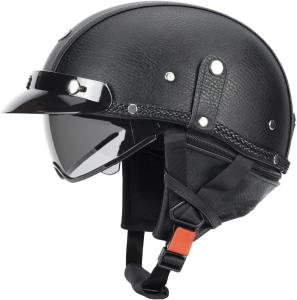
Half Helmet for Men and Women - Medium Size
Enjoy a comfortable ride with this stylish half helmet that's perfect for both men and women
Product information
$47.99
Product Review Score
4.73 out of 5 stars
159 reviewsProduct links
Different Types of Safety Standards Explained
When you're shopping for a helmet, understanding different safety standards is key. These ratings tell you how well a helmet performs in protecting your head during a crash. Let’s break down the main safety standards you'll often see associated with motorcycle helmets.
First up is the DOT standard. This one's set by the U.S. Department of Transportation. Helmets with this certification have gone through rigorous testing and are deemed safe for use on the road. If a helmet has the DOT sticker, it meets basic safety requirements. It’s a solid choice if you're looking for something reliable for everyday riding.
Next, we have the ECE standard, which stands for Economic Commission for Europe. This standard is often seen on helmets made for international markets. ECE helmets undergo even more extensive testing than DOT helmets, covering various impacts and conditions. If you’re in the market for a helmet to use overseas or just want something that’s well-reviewed globally, look for that ECE mark.
Then there’s SNELL, a private organization that sets even higher standards. Helmets with the SNELL certification are usually designed for serious riders who take safety seriously. They face more challenging tests and are built to handle high-impact scenarios. If you’re a racer or a hardcore enthusiast, considering a SNELL-rated helmet might be the way to go.
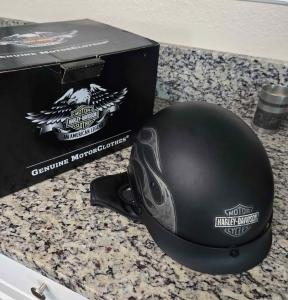
Harley Davidson Half Helmets for Motorcycles
Ride in style and comfort with these lightweight half helmets designed for the ultimate freedom on the road
Product information
$55.00
Product Review Score
4.29 out of 5 stars
66 reviewsProduct links
Finding Your Perfect Helmet Safety Fit
Finding the right fit for your motorcycle helmet isn’t just about comfort; it’s crucial for your safety, too. You want your helmet to sit snugly on your head without being too tight. A good fit can make all the difference during a ride and can even affect how well your helmet performs. When you're looking at Motorcycle Helmet Safety Ratings, remember that a properly fitted helmet enhances protection.
Start by measuring your head circumference. Use a soft measuring tape just above your eyebrows and around the back of your head. Match that number to the helmet size chart of the brand you’re considering. Different manufacturers may have slightly different sizing, so always double-check!
Once you have a helmet in hand, try it on. It should feel snug, but you shouldn’t feel any pressure points after a few minutes. With the straps fastened, shake your head gently. If the helmet moves around, it’s too loose. You want it fitted in such a way that it stays put during rides.
Don’t forget to check the padding. Some helmets come with removable liners, which can be a game-changer for adjusting fit. If you need extra comfort or support, look for options that let you customize the padding for that perfect snug feel.
Remember, safety ratings are important, but a helmet that fits poorly can make those ratings irrelevant. So, take your time, try on different styles, and find the helmet that suits you best while keeping in mind those all-important Motorcycle Helmet Safety Ratings.