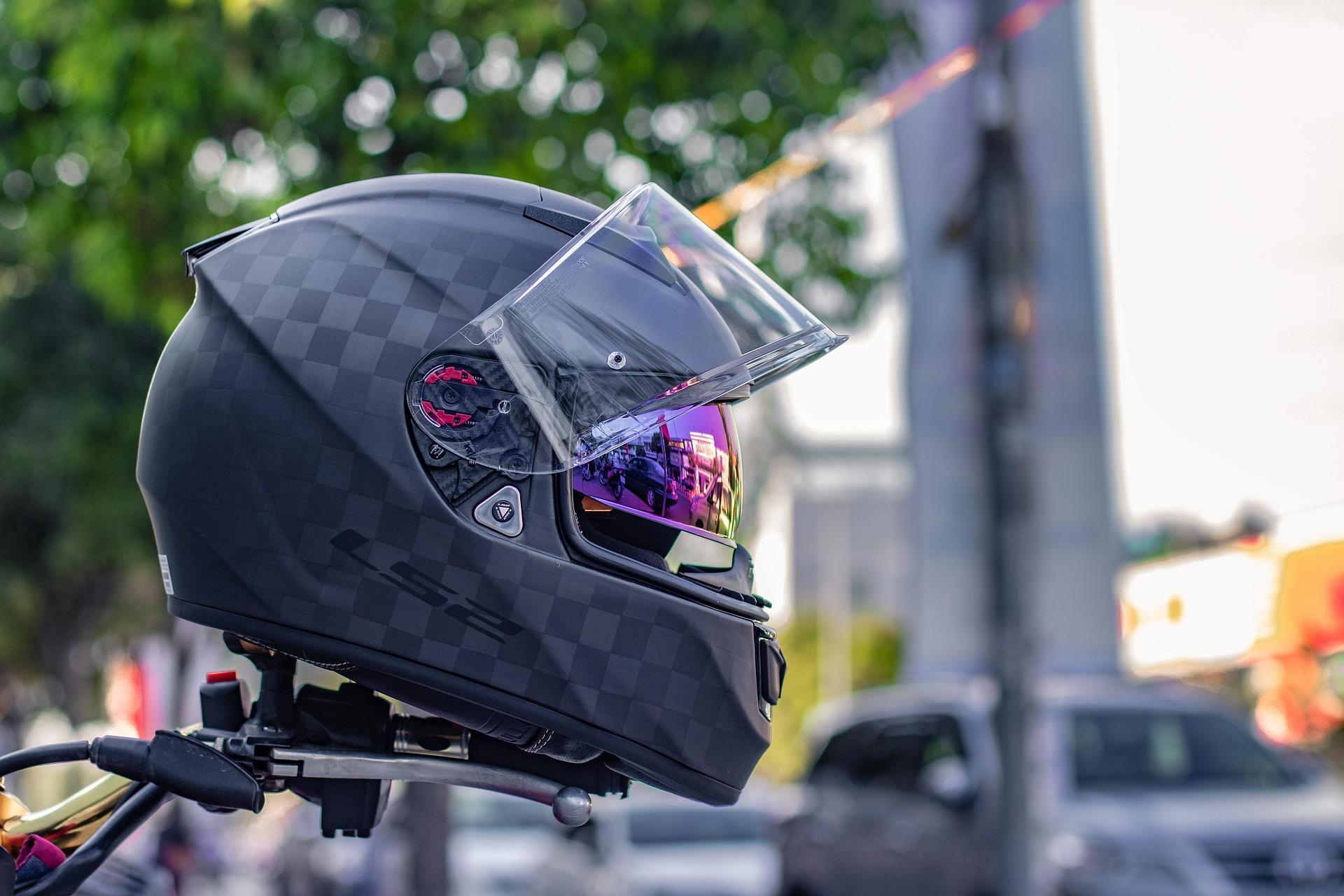
When you’re choosing a motorcycle helmet, the safety ratings should be at the top of your list. Why? Because these ratings give you a clear idea of how well a helmet can protect your noggin in an accident. You wouldn’t want to skimp on safety, right? Knowing what those ratings mean can help you make a smart choice.
Motorcycle Helmet Safety Ratings usually come from organizations that test helmets in real-world scenarios. They look at how well a helmet absorbs impact, how well it stays on during a crash, and whether it has features that protect against rotational forces. Popular safety standards include DOT, ECE, and Snell. Each has its own testing methods, but they all aim to keep you safe.
Not all helmets are created equal. Some might look cool but don’t have the safety ratings to back it up. A high safety rating can boost your confidence on the road, knowing you’ve got solid protection. It’s like wearing a seatbelt in a car; it doesn't guarantee you won't get into an accident, but it significantly lowers the risk of serious injury.
When you’re shopping around, take a moment to check out the motorcycle helmet safety ratings. Compare options side by side and focus on the ones with the best ratings. It’s a small step that could make a big difference in your safety. After all, you want to enjoy the ride, not worry about what could happen if things go sideways.
How Ratings Are Determined
When it comes to Motorcycle Helmet Safety Ratings, understanding how these ratings are determined can help you pick the right helmet. These ratings come from rigorous testing, making sure that the helmets meet specific safety standards. Organizations like the Department of Transportation (DOT), Snell Memorial Foundation, and the Economic Commission for Europe (ECE) carry out these tests.
Each organization has its own set of criteria. For example, DOT tests mainly focus on impact resistance and penetration. They look at how well a helmet can handle a hard hit and whether it protects your head from sharp objects. Snell takes it a step further, adding tests for different speeds and more extreme conditions. ECE ratings also check for things like visor effectiveness and comfort.
The ratings you see are a reflection of how well a helmet performed in these tests. You might see a sticker on the inside of the helmet that shows which standards it meets. Always double-check for that sticker! A helmet with a good safety rating means it’s passed strict tests and gives you that peace of mind while riding.
Keep in mind that Motorcycle Helmet Safety Ratings are just one piece of the puzzle. Fit and comfort are equally important. A well-rated helmet won’t do you much good if it doesn’t fit right or feels uncomfortable on longer rides. So when you're shopping, pay attention to how the helmet feels while making sure it also has solid safety ratings.
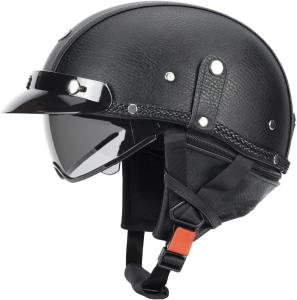
Half Helmet for Men and Women - Medium Size
Enjoy a comfortable ride with this stylish half helmet that's perfect for both men and women
Product information
$47.99
Product Review Score
4.73 out of 5 stars
159 reviewsProduct links
Different Types of Safety Ratings
When you're shopping for a helmet, one of the first things you’ll notice is the safety ratings. These ratings really matter because they help you see how well a helmet will protect you in case of an accident. Let’s break down the different types of Motorcycle Helmet Safety Ratings you might encounter.
First up, we have the DOT rating. This is the U.S. Department of Transportation standard. If a helmet carries this sticker, it meets specific safety requirements. Look for this label as it means the helmet has passed tests on impact resistance, penetration, and retention. It’s a must-have for street riding.
Next, we’ve got the ECE rating. This is more common in Europe but is becoming well-recognized worldwide. ECE helmets undergo tougher testing, simulating various crash scenarios. This rating shows that the helmet provides top-notch protection and should definitely get your attention.
Then there's the Snell rating. This is a bit more exclusive and is often found on high-performance helmets. Snell tests are rigorous and focus on multiple impact levels. If you're into racing or high-speed riding, choosing a Snell-rated helmet can give you extra peace of mind.
Finally, some helmets might carry a Sharp rating. This system evaluates how well a helmet protects against sharp objects. It’s a good sign if you see this rating, as it means the helmet offers that extra layer of safety against penetration injuries. Remember, when checking out Motorcycle Helmet Safety Ratings, always aim for safety first!
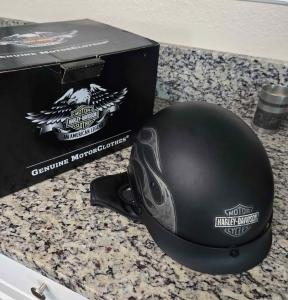
Harley Davidson Half Helmets for Motorcycles
Ride in style and comfort with these lightweight half helmets designed for the ultimate freedom on the road
Product information
$55.00
Product Review Score
4.29 out of 5 stars
66 reviewsProduct links
Choosing the Right Helmet for You
Choosing the right helmet is super important for your safety and comfort while riding. With so many options out there, it can feel overwhelming. The first thing to look at is the Motorcycle Helmet Safety Ratings. These ratings tell you how well a helmet protects your noggin in case of a crash. Always make sure your helmet meets the standards set by organizations like DOT, ECE, or Snell. These labels mean the helmet has passed rigorous tests and will keep you safer on the road.
Fit is another key factor. A helmet that doesn’t fit properly won’t protect you as it should. It should feel snug but not too tight. You shouldn’t have any pressure points, and it shouldn't shift around when you turn your head. A good tip is to wear the helmet for a while to see how it feels before you buy it.
Don’t forget about features. Some helmets come with built-in sun visors, while others might have a communication system for your ride buddy. Think about how you’ll use the helmet. If you ride a lot in hot weather, look for one with good ventilation. If you ride at night, reflective materials can boost your visibility.
Lastly, consider your style and budget. There are tons of styles, from full-face to open-face, and prices can range widely. Pick a helmet that matches your riding style and fits your budget, but remember: safety should always come first. A good helmet is an investment in your safety and enjoyment on the ride.