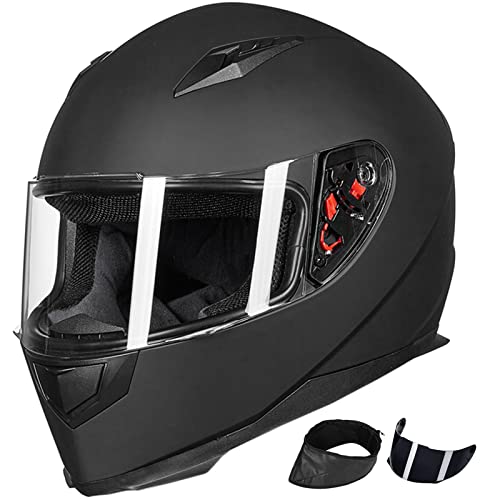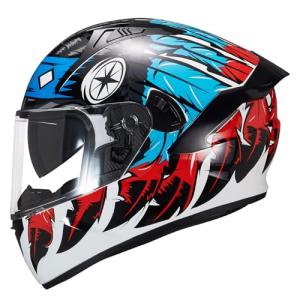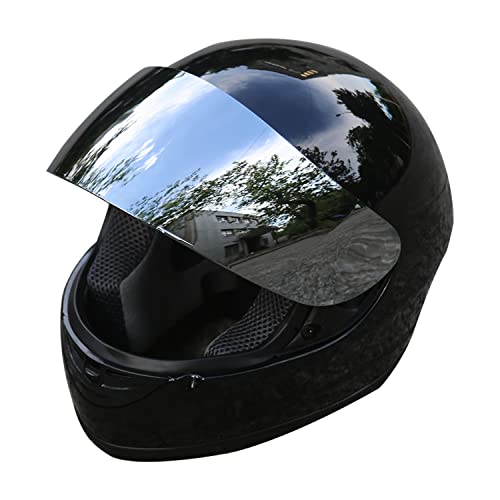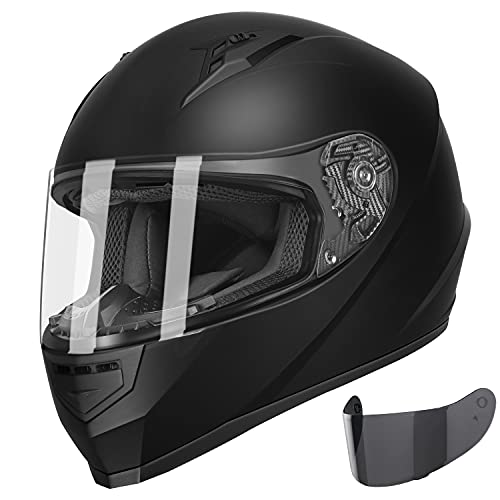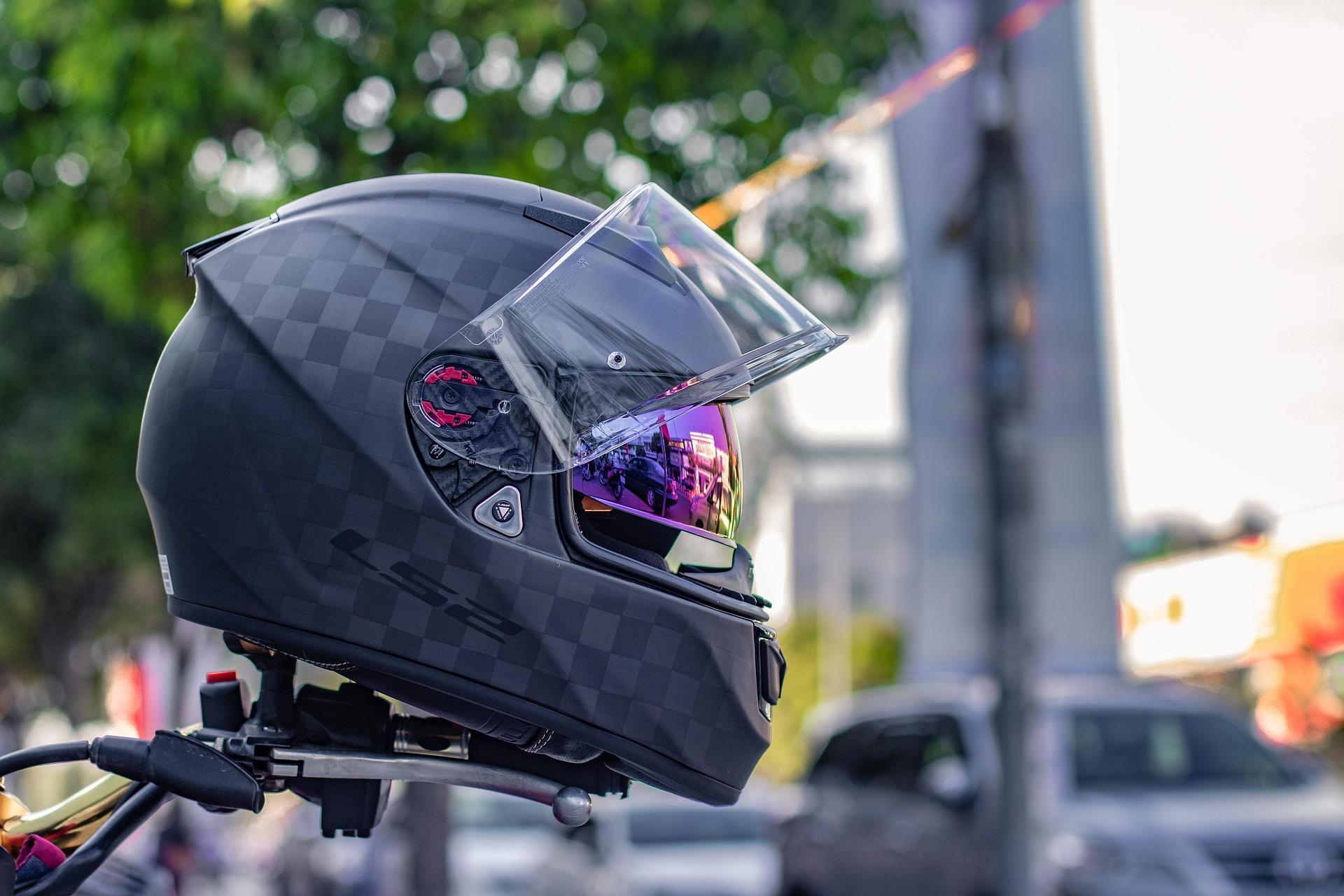
When shopping for a motorcycle helmet, you’ll often come across safety ratings. But what do they actually mean? Motorcycle Helmet Safety Ratings are a way to measure how well a helmet can protect your head during an impact. Different organizations have specific testing standards to ensure helmets meet safety requirements before hitting the market.
The most common safety ratings come from organizations like DOT (Department of Transportation) and Snell. DOT ratings indicate that a helmet meets minimum safety standards set by the government. On the other hand, Snell ratings represent a stricter set of tests, focusing on high-impact absorption and durability. If you see a Snell rating, you can trust that it's been put through some serious tests.
Another rating system to know is the ECE (Economic Commission for Europe). It's widely used in Europe and offers a comprehensive approach to helmet safety. Each of these ratings focuses on different aspects of safety, so understanding them can help you choose a helmet that's right for you.
When checking out helmets, always look for these safety ratings. A good helmet should have at least one of these certifications. Remember, your safety is what counts the most, so don’t skip this step in your purchase. Investing in a helmet that meets these Motorcycle Helmet Safety Ratings is investing in your own protection on the road.
How Ratings Affect Your Choice
When it comes to choosing the right motorcycle helmet, understanding the Motorcycle Helmet Safety Ratings is super important. These ratings help you figure out how well a helmet protects your head during a ride. They’re like a scorecard showing how a helmet performed in tests for impact protection, penetration, and stability. The higher the rating, the safer you can feel when you’re cruising down the road.
Different safety standards exist, like DOT (Department of Transportation), ECE (Economic Commission for Europe), and Snell. Each one has its own tests and requirements, which means not all helmets are created equal. Look for helmets that meet or exceed these standards. A helmet with a DOT sticker on it means it has met basic safety requirements, while an ECE or Snell-rated helmet usually offers an extra layer of protection, making it a solid choice for serious riders.
Additionally, user ratings and reviews can give you insight into how a helmet performs in real-world situations. Riders share their experiences about comfort, visibility, noise levels, and fit. Knowing how other bikers feel about a helmet can help steer you toward a product that not only meets safety standards but also suits your riding style.
Keep in mind that Motorcycle Helmet Safety Ratings don’t just stop at impact tests. Look for features like a snug fit, proper ventilation, and an appropriate weight. A helmet may be rated high for safety, but if it’s uncomfortable, you might not want to wear it. Find the right balance between safety and comfort for the best ride possible.
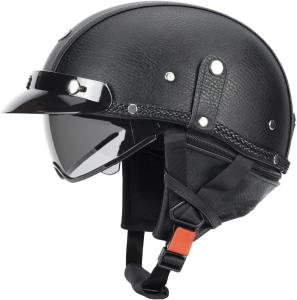
Half Helmet for Men and Women - Medium Size
Enjoy a comfortable ride with this stylish half helmet that's perfect for both men and women
Product information
$47.99
Product Review Score
4.73 out of 5 stars
159 reviewsProduct links
Common Safety Standards Explained
When shopping for a motorcycle helmet, understanding the safety ratings is super important. So, let’s break down the common safety standards you’ll come across. Knowing what they mean can help you make a smart choice.
The DOT (Department of Transportation) certification is one of the most recognized safety ratings. Helmets that meet DOT standards have been tested for impact and penetration resistance. If you see that DOT sticker, you can trust that the helmet has gone through rigorous testing to keep you safe on the road.
Next up is the ECE (Economic Commission for Europe) rating, often seen on European helmets. ECE testing is even tougher than DOT. It evaluates how well the helmet absorbs impact and looks at things like peripheral vision, too. If you spot an ECE sticker, you’re looking at a helmet that meets high international safety standards.
Lastly, there’s the SNELL rating, which is known for its strict criteria. SNELL testing goes above and beyond what DOT and ECE require, focusing on high-speed impacts and overall design. A SNELL-certified helmet might be your best bet if you want top-tier protection.
Always look for these Motorcycle Helmet Safety Ratings when choosing your gear. Investing in a helmet that meets these standards can truly make a difference in your safety and peace of mind while riding.
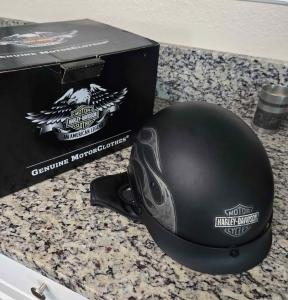
Harley Davidson Half Helmets for Motorcycles
Ride in style and comfort with these lightweight half helmets designed for the ultimate freedom on the road
Product information
$55.00
Product Review Score
4.29 out of 5 stars
66 reviewsProduct links
Choosing the Right Helmet for You
Choosing the right helmet can feel overwhelming, but it doesn't have to be. The first thing you want to check out is the fit. A good helmet should feel snug but not uncomfortable. If it wiggles around, it’s probably too big, and if it feels like it's squeezing your head too tight, you might need a larger size. Always try on a few different models to see what feels best.
Next up, take a look at the type of riding you do. There are helmets designed for every style, from cruising down the highway to tackling off-road trails. Full-face helmets offer the best protection and are great for road riders, while half helmets have a more open feel for those who love a breeze on their face. Think about what fits your riding style more.
Don’t forget about the Motorcycle Helmet Safety Ratings. These ratings are important because they help you figure out how much protection a helmet can actually offer. Look for helmets that meet or exceed safety standards like DOT, ECE, or Snell. This lets you know the helmet has been rigorously tested for safety.
Finally, consider the features that matter to you. Do you want extra ventilation for those hot days? Built-in Bluetooth for music or phone calls? Or maybe a visor to shield your eyes? Take notes on what’s important to you. This way, you'll be riding with confidence, knowing you've picked the right helmet for your needs.