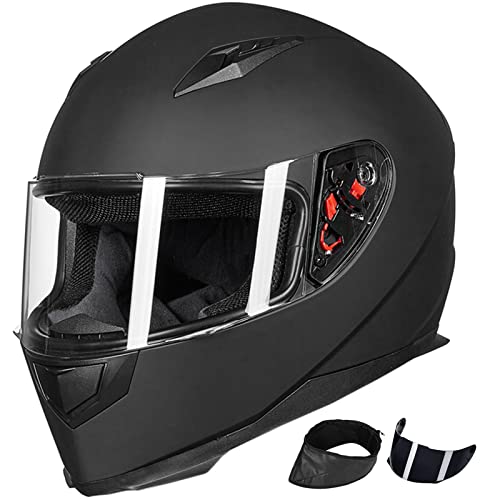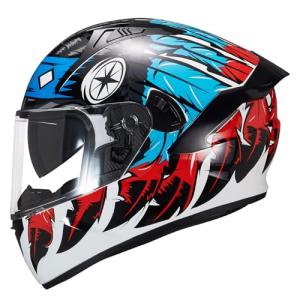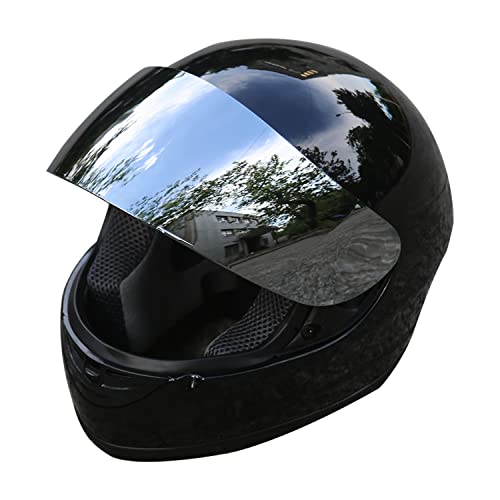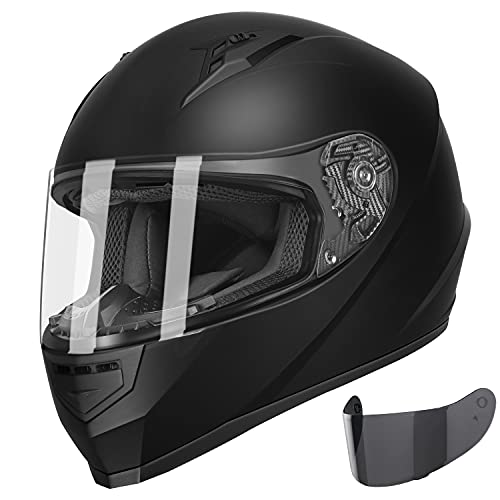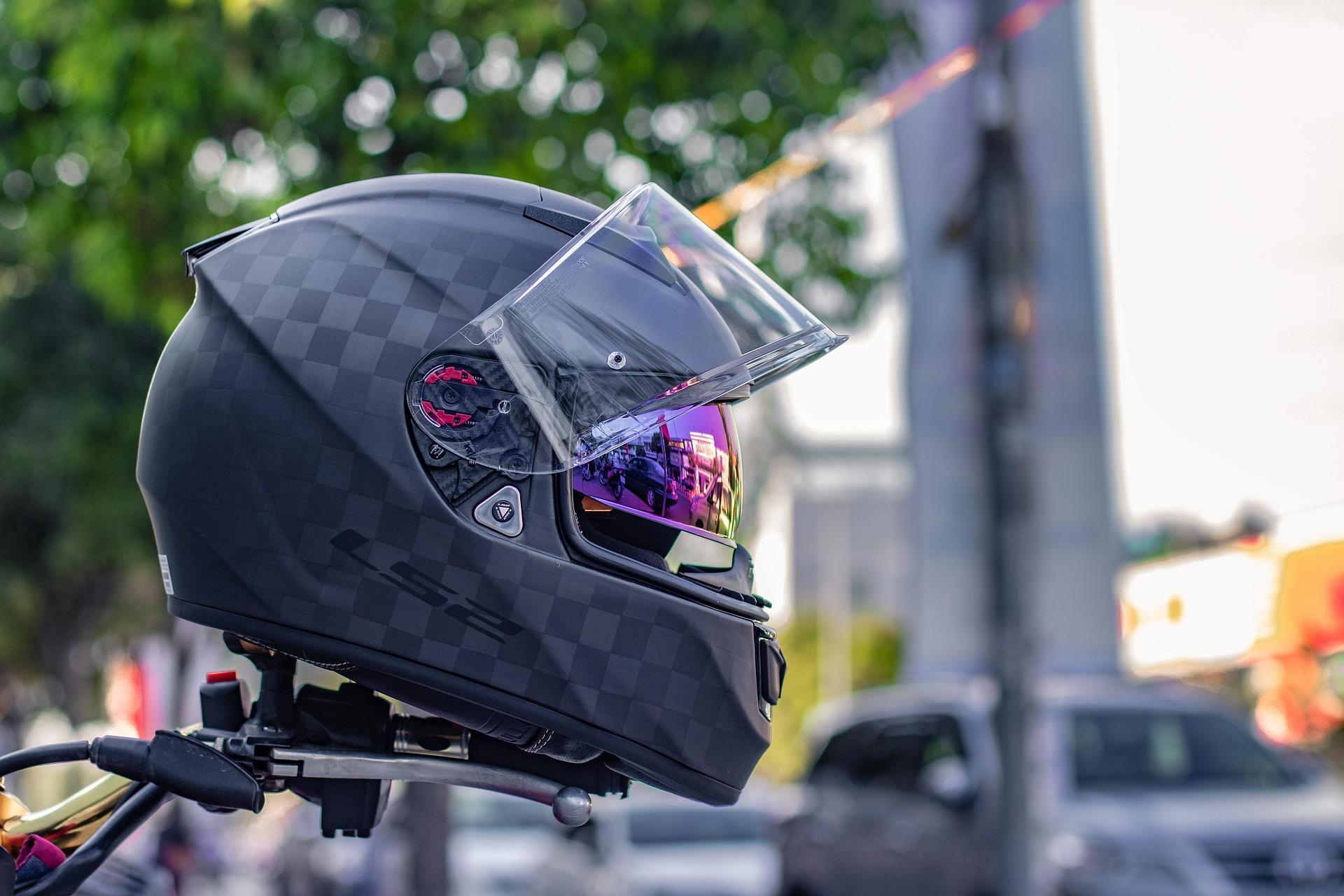
When you're on a motorcycle, safety should be your top priority. That's where Motorcycle Helmet Safety Ratings come into play. These ratings give you a way to gauge how well a helmet will protect your head in an accident. It’s not just about picking the coolest design—knowing the safety ratings can make a huge difference in a crash.
Different organizations test helmets for safety and provide ratings based on a variety of factors. The most recognized ones in the U.S. include the DOT (Department of Transportation) and the Snell Memorial Foundation. Helmets that hit the market must meet these standards to earn their ratings. A helmet that gets a high safety rating means it passed rigorous tests, providing better protection against impacts.
When shopping for a helmet, check for the Motorcycle Helmet Safety Ratings. A helmet might look stylish, but if it hasn’t been rated, you could be putting yourself at risk. Look for labels showing the DOT or Snell certification; these are signs that the helmet has been put through the wringer and is ready for the road.
Don’t just buy on looks alone. Take the time to research the ratings and understand what they mean. A little extra effort can help you choose a helmet that not only matches your style but also offers you the best protection possible.
Types of Safety Ratings Explained
When you're looking for a helmet, understanding the different Motorcycle Helmet Safety Ratings can make a huge difference. Safety ratings give you a good idea of how well a helmet will protect your noggin in case of an accident. Let's break down some of the main types you should know about.
The DOT (Department of Transportation) rating is the big one in the U.S. If a helmet has this sticker, it means it meets certain safety standards set by the government. It's a solid base for what you want in a helmet, ensuring it can handle a decent impact.
Then, we have the ECE (Economic Commission for Europe) rating. This one is used in many countries outside the U.S. and is often considered stricter than DOT. Helmets that pass this test go through a bunch of impact tests and other safety checks, which means you're getting an extra layer of protection when you choose one with an ECE rating.
The Snell rating is another important one, especially if you're into racing or off-road biking. Snell tests are a bit more rigorous, focusing on higher impacts and tougher conditions. If you see this sticker, you know it's been through the ringer and can handle serious hits.
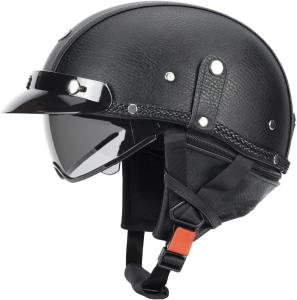
Half Helmet for Men and Women - Medium Size
Enjoy a comfortable ride with this stylish half helmet that's perfect for both men and women
Product information
$47.99
Product Review Score
4.73 out of 5 stars
159 reviewsProduct links
How to Choose a Safe Helmet
Choosing a safe helmet is a big deal if you ride motorcycles. You want something that looks good but also keeps you protected. Understanding Motorcycle Helmet Safety Ratings is a great place to start. These ratings help you figure out which helmets can actually keep you safe on the road.
First, look for helmets that meet safety standards like DOT (Department of Transportation) or SNELL. These are the gold standards in helmet safety. If a helmet has these stickers, it’s been tested and is less likely to fail in an accident. Don’t skip this step; your safety depends on it!
Next, consider the fit. A helmet should feel snug but not uncomfortable. It shouldn’t move around on your head. If you can easily slide it off with a little twist, it’s too big. Try on different brands; every manufacturer has different shapes. Finding the right fit is key to making sure the helmet does its job.
Also, think about the weight and ventilation. A lightweight helmet is easier on your neck, especially during long rides. Good ventilation keeps you cool and comfortable. Look for helmets with air vents and other cooling features. You want to ride in style and comfort without feeling like you’re wearing a brick!
Lastly, take a look at the padding and inner lining. High-quality padding absorbs shock and keeps you comfortable during your ride. Removable and washable liners are a plus, too! Keeping your helmet fresh is important for both hygiene and comfort. You’ll ride with confidence knowing you've chosen a helmet based on solid Motorcycle Helmet Safety Ratings!
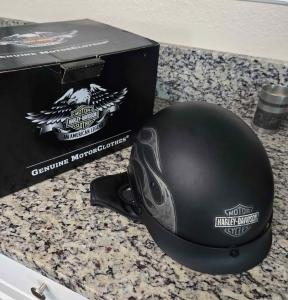
Harley Davidson Half Helmets for Motorcycles
Ride in style and comfort with these lightweight half helmets designed for the ultimate freedom on the road
Product information
$55.00
Product Review Score
4.29 out of 5 stars
66 reviewsProduct links
Frequently Asked Questions About Safety Ratings
When it comes to motorcycle helmets, safety is a top priority, and understanding Motorcycle Helmet Safety Ratings can make a big difference. You might be wondering what those ratings mean and why they matter. Let's dive into some common questions!
What are Motorcycle Helmet Safety Ratings?
Motorcycle Helmet Safety Ratings are certifications that tell you how well a helmet can protect your head during a crash. Different organizations test helmets and assign ratings based on performance. The most recognized ratings come from DOT, ECE, and Snell. Each has its own set of standards, so knowing what they mean can help you choose the best helmet.
What do the different ratings mean?
The DOT (Department of Transportation) rating means the helmet meets basic safety standards in the U.S. ECE (Economic Commission for Europe) is more stringent and is widely used in Europe. Snell is even tougher, testing helmets for high-impact situations. A helmet that meets multiple ratings can offer you extra peace of mind.
Does a higher rating mean a safer helmet?
Not always. While a higher rating usually indicates better performance, comfort and fit are just as important. A helmet that doesn’t fit well won’t protect you properly, no matter how high its safety rating is. Always try on helmets and choose one that feels snug but comfortable.
Are all helmets with safety ratings good options?
Having a safety rating is great, but it’s just one part of the equation. Look for additional features like a good ventilation system, weight, and visibility. Consider your riding style and the conditions you’ll face, too. The right helmet for you combines safety ratings with comfort and functionality.